The 2026 Pine Nut Kernels market will reward suppliers that prove consistency, not merely attractive pricing. Buyers now examine origin, harvest timing, moisture, kernel color, shell fragments, aflatoxin controls, and cold-chain performance. The International Nut and Dried Fruit Council’s Nuts and Dried Fruits Statistical Yearbook provides global production and trade context, while FAOSTAT and USDA Foreign Agricultural Service reports help buyers compare crop conditions and export risks. These sources also reveal an important limitation: pine-nut statistics are often grouped by species or broader nut categories. The market picture is not perfectly clean.
“Quality begins with traceability, because every kernel carries its origin,” says Dr. Elena Marquez, a food-safety and nut-sourcing specialist. Her observation captures the central challenge for global buyers. A supplier may quote a competitive price, yet fail to explain forest origin, processing controls, or shipment history. That gap matters. Pine Nut Kernels can develop rancid notes when storage temperature, oxygen exposure, or packaging quality is poorly managed. Small details become commercial risks.
This guide reviews leading 2026 suppliers through a practical buyer’s lens. It considers documented certifications, product specifications, packing formats, private-label capacity, export experience, and response reliability. Reports from the INC, FAOSTAT, USDA, and market research firms offer useful benchmarks, but they should not replace supplier audits or sample testing. Ask for evidence. Check the lot. Compare the promise with the product. That step is easy to skip. It is also where many sourcing decisions become expensive.
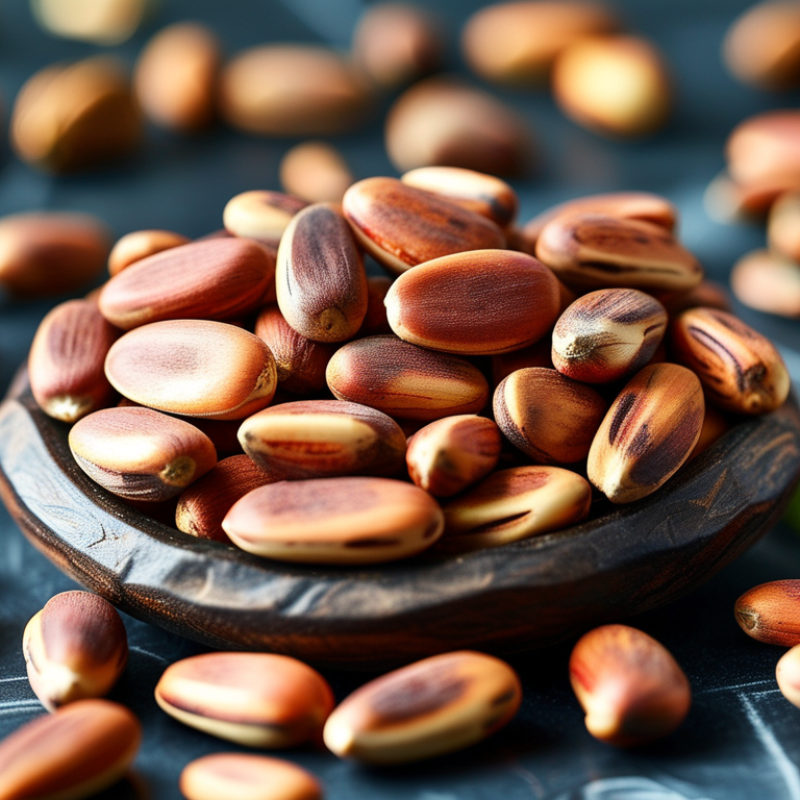
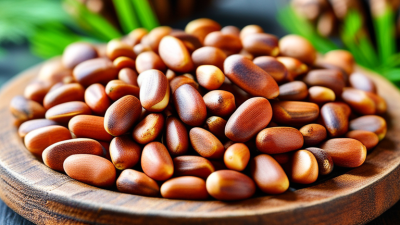
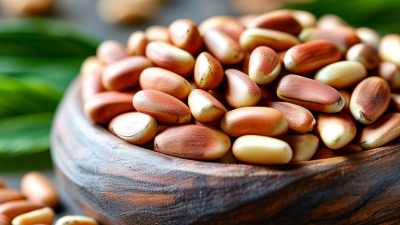
Pine nut kernels come from several species, and their differences shape global buying decisions. Chinese and Korean kernels, mainly from Pinus koraiensis, are usually larger and creamier. Siberian kernels come from Pinus sibirica and often show a smaller, more resinous profile. Mediterranean kernels, especially Pinus pinea, are scarce and costly. Afghan and Pakistani kernels, from Pinus gerardiana, are long, firm, and commonly sold as chilgoza.
Origin affects more than taste. Harvesting conditions, shelling methods, drying, and cold storage can change rancidity risk. The INC Statistical Yearbook 2024 identifies China, Russia, and Pakistan among important pine nut supply origins, while FAOSTAT data shows that production reporting remains inconsistent. This matters. Some countries record cones, shells, or kernels differently. Market-size estimates also vary widely. Fortune Business Insights projects continued growth in the global pine nut market, driven by bakery, pesto, snack, and plant-based food demand. However, forecasts should be treated as directional, not absolute.
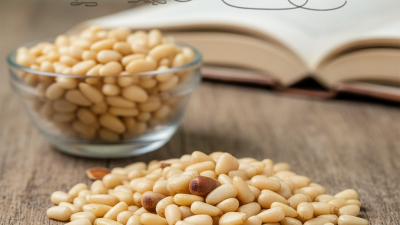
Tips: Ask suppliers for the botanical species, harvest year, origin statement, moisture level, and laboratory test results. Inspect kernels for a clean aroma, even ivory color, and limited surface oil. A bitter aftertaste can indicate storage problems, although taste testing alone is not enough. Check aflatoxin, pesticide, microbiological, and heavy-metal reports against the destination market’s requirements. The weak point is traceability. Small wild-harvest networks may provide excellent kernels, but documentation can be incomplete. Experienced buyers should verify each shipment, not rely only on a supplier’s product sheet.
The chart presents an indicative distribution of global pine nut kernel supply by major origin. China, Russia, Afghanistan, Pakistan, South Korea, and Türkiye are recognized commercial origins, while Mediterranean pine nuts such as Pinus pinea are valued for their distinctive flavor and premium positioning. Actual availability varies by harvest conditions, forest resources, processing capacity, and export regulations.
Market overview based on commonly reported producing regions and international trade patterns; percentages are rounded estimates for comparative analysis and are not company-level figures.
For 2026 sourcing, supplier evaluation should begin with traceable evidence, not attractive quotations. The INC Statistical Yearbook 2024/25 places global tree-nut production above five million metric tons, yet pine-kernel figures remain difficult to compare. FAOSTAT also groups some production under broader nut categories. Therefore, request origin-specific harvest data, not only national statistics.
A reliable supplier should provide lot codes, harvest dates, processing locations, and a current certificate of analysis. Check moisture, rancidity indicators, foreign material, broken-kernel percentage, and microbiological results. Fresh kernels should have a clean, resinous aroma, not a paint-like smell. Vacuum packaging helps, but it does not repair poor storage. Ask for photos of sealed cartons and inner bags. Small details matter.
Food-safety systems deserve independent verification. Confirm an audited HACCP or ISO 22000 program, allergen controls, pest-control records, and recall procedures. For European shipments, compare test results with current EU contaminant and pesticide requirements. For United States shipments, review the supplier’s preventive-control documentation under the Food Safety Modernization Act. Do not accept certificates without matching lot numbers. That mistake is common.
Price comparisons can mislead. A lower offer may exclude sorting loss, testing, inland transport, or temperature-controlled storage. My own screening would still leave room for doubt: laboratory reports can represent only one sample. Use pre-shipment inspection and retain sealed samples for dispute testing. Product consistency, transparent records, and responsive communication usually matter more than a single low quotation.
2026 Top Pine Nut Kernels Suppliers for Global Buyers
Leading Pine Nut Kernel Supply Regions and Product Profiles
Pine nut kernels come from several important supply regions, each with distinct flavor and appearance. Northeast China commonly supplies pale, elongated kernels with a mild, creamy taste. Southwest China offers smaller varieties with firmer texture. Chilgoza kernels from Pakistan and Afghanistan are usually longer, darker, and more aromatic. Mediterranean origins may provide smaller kernels with a pronounced resinous note. Seasonal availability can change, so buyers should verify the harvest year.
Product profiles matter more than attractive photographs. Export lots may include whole kernels, broken pieces, or mixed grades. Whole kernels suit retail packs and premium bakery use. Broken kernels work well in sauces, fillings, and industrial recipes. Check moisture, foreign material, rancidity, color, and odor before approval. A large kernel is not automatically better. Taste and stability often matter more. This is where procurement decisions can become imperfect.
Tips: Request a representative sample, not only a specification sheet. Confirm botanical origin, processing date, packing conditions, and laboratory test results. Compare two harvests when possible. Ask how the supplier controls temperature during storage and transit. Vacuum or nitrogen-flushed packaging can help preserve freshness, but it still needs careful handling. Prices may look attractive before freight, testing, and possible breakage are included.
2026 Top Pine Nut Kernels Suppliers for Global Buyers
Quality begins with measurable controls, not attractive photographs. The Codex General Standard for Contaminants and Toxins in Food and Feed, CXS 193-1995, supports risk-based testing for contaminants. Buyers should request recent laboratory results for moisture, peroxide value, microbiological safety, foreign materials, and pesticide residues. Salmonella testing matters, especially for ready-to-eat kernels. A certificate alone is not enough. Audit scope and expiry dates require checking.
Reliable suppliers commonly operate under HACCP, ISO 22000, FSSC 22000, BRCGS, or equivalent food-safety systems. Organic claims should include a valid certificate for the shipment’s destination market. The International Nut and Dried Fruit Council’s statistical reports show that nut trade depends heavily on consistent quality and international supply chains. That consistency can weaken when harvest lots are mixed. Ask for lot-specific traceability, harvest dates, origin records, and retention samples.
Packaging should block oxygen, light, and moisture. Food-grade vacuum bags or nitrogen-flushed liners inside strong cartons can reduce rancidity risk. The U.S. FoodKeeper guidance recommends refrigeration or freezing for longer nut storage, rather than warm warehouse conditions. In practice, many buyers specify clean, dry storage below 10°C, with stable temperatures and no nearby odors. Yet this is not a universal rule; packaging and local humidity change the result. I would test a retained sample after transport, because a good shipment can still arrive with stale notes after a hot container journey.
| Supplier Profile / Sourcing Area | Typical Kernel Type | Common Commercial Grades | Key Quality Specifications | Food-Safety Requirements | Recommended Certifications | Standard Export Packaging | Storage and Shelf-Life Guidance |
|---|---|---|---|---|---|---|---|
| Large-scale Chinese pine-nut processors Major producing areas in Northeast and Northwest China |
Chinese pine nut kernels, generally elongated with a firm texture | Whole kernels; broken kernels; pieces; roasted or raw | Clean appearance; natural cream to pale yellow color; no rancid odor; moisture commonly controlled at ≤5%; foreign material normally ≤0.1% | HACCP-based controls; Salmonella absent in the tested portion; pesticide, heavy-metal, aflatoxin and microbiological testing according to destination-market rules | HACCP, ISO 22000, FSSC 22000, BRCGS or IFS; organic certification when an organic claim is required | Vacuum-packed food-grade bags inside export cartons; common bulk sizes include 5 kg, 10 kg and 20 kg | Store sealed at 0–10°C, protected from light and moisture; refrigerated shelf life commonly 12–18 months, subject to validation |
| Central Asian and Russian-origin processors Forest-harvested pine nuts from Siberian and neighboring regions |
Siberian pine nut kernels, typically smaller and more rounded than Chinese varieties | Whole kernels; selected kernels; pieces; raw or lightly roasted | Uniform color and size for premium grades; moisture commonly ≤5%; low shell fragments; fresh pine aroma without bitterness or rancidity | Harvest traceability; cleaning and sorting controls; testing for Salmonella, yeasts and molds, aflatoxins, pesticide residues and heavy metals where applicable | HACCP or ISO 22000; recognized third-party audit certification; organic certification for verified organic supply chains | Nitrogen-flushed or vacuum-sealed multilayer bags; cartons or lined sacks for bulk shipment; tamper-evident seals recommended | Keep at 0–4°C for long-distance storage, with relative humidity preferably below 65%; typical validated shelf life is 12 months or longer under cold storage |
| Mediterranean pine-nut processors Regional processors handling Mediterranean pine species |
Mediterranean pine nut kernels, valued for delicate flavor and culinary use | Premium whole kernels; calibrated kernels; roasted kernels; retail-ready portions | Bright ivory appearance; low shell content; clean, mild flavor; moisture commonly ≤5%; peroxide value and free-fatty-acid limits should be specified in the purchase contract | Allergen control for tree nuts; validated sanitation program; pathogen, pesticide-residue and oxidation testing based on the importing country | BRCGS, IFS, FSSC 22000, ISO 22000 or equivalent GFSI-recognized certification; organic certification where applicable | High-barrier pouches, vacuum packaging or nitrogen flushing; retail packs often range from 50 g to 500 g; bulk cartons commonly 5–10 kg | Store in a cool, dry, dark environment; refrigeration is recommended after opening; shelf life often ranges from 9–18 months depending on packaging and oxidation controls |
| North American specialty processors Processors and packers serving premium foodservice and retail markets |
Selected pine nut kernels supplied for bakery, pesto, confectionery and foodservice applications | Whole premium kernels; medium pieces; roasted and salted formats; private-label retail packs | Consistent grade and color; moisture typically ≤5%; defect tolerances, shell fragments and rancidity limits defined by buyer specification | Preventive-control plan; allergen labeling for tree nuts; lot traceability; pathogen and contaminant testing aligned with applicable food regulations | Third-party GFSI certification, HACCP or preventive-controls verification; organic or kosher certification when required by the customer | Vacuum-sealed or nitrogen-flushed barrier bags in cartons; retail pouches and jars may be available; lot code and best-before date required | Maintain at ≤10°C where practical and avoid temperature fluctuations; unopened product commonly carries a 12–18-month shelf life after validation |
| Organic and clean-label specialists Certified organic supply chains serving health-food and premium retail channels |
Organic raw or roasted pine nut kernels with documented chain of custody | Whole kernels; pieces; unsalted roasted kernels; retail and foodservice formats | Moisture commonly ≤5%; no artificial colors; no undeclared additives; organic integrity and segregation controls throughout processing | Organic handling procedures; allergen management; sanitation verification; residue testing and full lot traceability | Valid organic certificate recognized in the destination market, plus HACCP, ISO 22000, FSSC 22000, BRCGS or equivalent | Certified-organic-compliant food-contact bags; vacuum or nitrogen-flushed packaging; separate storage and clearly identified lots | Store below 10°C when possible, away from strong odors; recommended shelf life is commonly 9–18 months depending on oxygen barrier and temperature |
| Industrial ingredient suppliers Bulk suppliers for bakery, sauces, confectionery and food manufacturing |
Whole, chopped, diced or milled pine nut kernels | Standard whole; medium pieces; fine pieces; roasted, salted or customized particle sizes | Particle-size tolerance, moisture, foreign material and defect limits set by technical specification; moisture commonly ≤5% | Certificate of analysis for each lot; allergen declaration; microbiological testing; contaminant limits must meet the buyer's market and end-use requirements | HACCP, ISO 22000 or GFSI-recognized certification; supplier approval and traceability documentation recommended | 10–20 kg vacuum bags or lined cartons; palletized export loads; oxygen absorbers or nitrogen flushing may be used for extended transit | Keep dry, cool and protected from light; avoid heat and humidity during transport; use FIFO inventory rotation and retain samples by lot |
Importing pine nut kernels begins with a precise product brief. Specify origin, kernel size, moisture, crop year, packaging, and acceptable defects. The International Nut and Dried Fruit Council’s Statistical Yearbook 2024 places pine nuts among the smaller major tree-nut categories, with annual production below 100,000 metric tons. Supply can change sharply after weak harvests.
Request three documents before negotiation: a recent specification sheet, a certificate of analysis, and traceability records. Ask for samples from the actual production lot. Inspect color, aroma, breakage, rancidity, and foreign material. A professional laboratory should test moisture, microbiological safety, pesticide residues, and aflatoxins where required. Do not trust photographs alone.
Then compare supplier data with UN Comtrade records under HS 0802.92 for shelled pine nuts. Check export volume, declared value, and origin consistency. Agree on Incoterms, payment milestones, inspection rights, and temperature-controlled transport when needed. Use food-grade inner bags, strong cartons, and lot codes. Confirm destination labeling and customs documents before shipment. Codex food hygiene and labeling principles provide a useful technical reference, but local rules still control entry.
A common mistake is choosing the lowest quotation too early. Pine kernels can develop stale flavors during warm storage. Keep retain samples and record container temperature. No checklist removes every risk. Recheck assumptions.