Top Benefits of Watermelon Seed Kernels for Global Buyers?
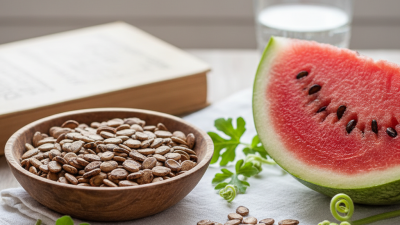
Watermelon Seed Kernels are gaining attention among global buyers for their numerous health benefits and culinary uses. Packed with essential nutrients, these seeds offer a rich source of protein, healthy fats, and antioxidants. Their potential for enhancing dietary choices makes them an attractive addition to various cuisines. As the demand for healthier snacks increases, Watermelon Seed Kernels stand out for their versatility and nutritional value.
For many, these seeds represent not just a healthy choice, but also a sustainable one. By utilizing what was once considered waste, buyers contribute to an eco-friendly approach in agriculture. However, some may underestimate the significance of proper sourcing. It is crucial to choose suppliers who prioritize quality and sustainability, ensuring a reliable product.
Despite their benefits, Watermelon Seed Kernels are still relatively overlooked in many markets. This presents both challenges and opportunities. Buyers must navigate potential misconceptions and learn about these seeds' unique properties. Understanding their value can lead to innovative uses, benefiting both consumers and producers alike. Exploring the advantages of Watermelon Seed Kernels could reshape dietary habits for health-conscious individuals around the world.
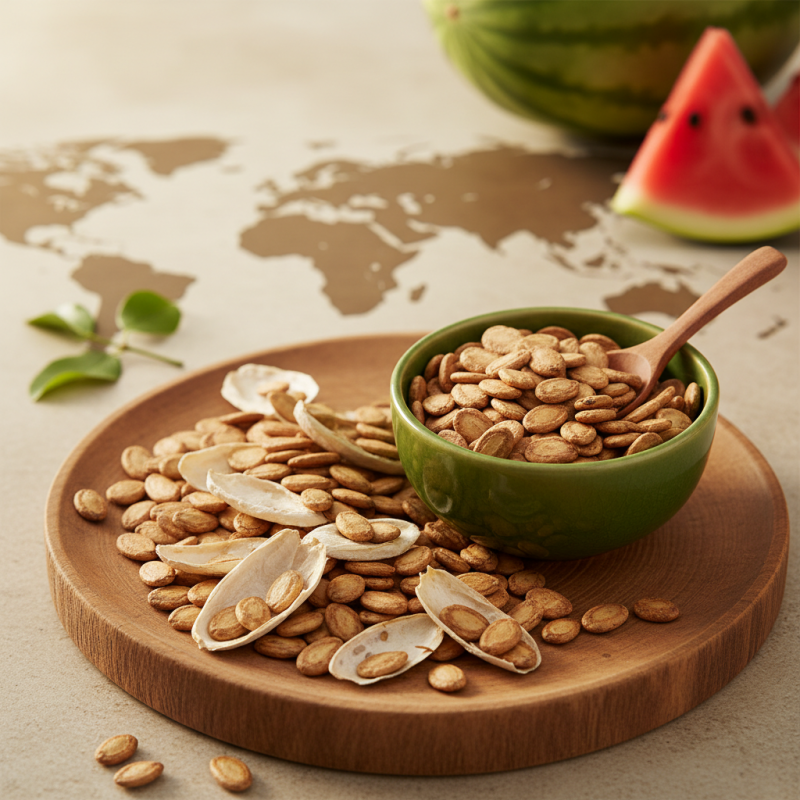
Health Benefits of Watermelon Seed Kernels for Consumers
Watermelon seed kernels are surprisingly nutritious. Packed with protein, healthy fats, and essential minerals, they can benefit your diet significantly. These seeds are also rich in antioxidants. They may help fight inflammation and support overall health. This makes them an appealing choice for many health-conscious consumers.
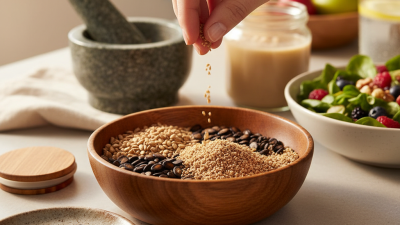
Tips: Consider adding watermelon seeds to salads for extra crunch. You can also sprinkle them on yogurt for a nutritious snack. Roasting them brings out a rich flavor that enhances various dishes.
In addition to their nutritional value, watermelon seed kernels are a good source of magnesium. Magnesium supports muscle function and energy production. This can be particularly beneficial for those with active lifestyles. Incorporating these seeds into your meals may boost your energy levels throughout the day. While they are beneficial, consuming too many can lead to digestive discomfort for some. Moderation is key.
Nutritional Composition of Watermelon Seed Kernels Explained
Watermelon seed kernels are often overlooked, yet they offer impressive nutritional benefits. Rich in proteins, these seeds provide essential amino acids that support muscle growth and repair. Loaded with healthy fats, they help maintain heart health and can even aid in reducing cholesterol levels. The presence of antioxidants, particularly vitamin E, promotes skin health and combats oxidative stress.
Tips: Incorporating watermelon seed kernels is easy. You can sprinkle them onto salads or blend them into smoothies. Their subtle nutty flavor enhances various dishes.
These kernels are also a good source of minerals like magnesium and zinc. Magnesium supports bone health and aids in muscle function. Zinc plays a role in immune health and wound healing. However, one should be mindful of portion sizes, as too many seeds can lead to digestive discomfort. Moderation is key for maximizing benefits.
Consider soaking them before consumption. This process can improve digestibility and enhance nutrient absorption. Experimenting with different recipes can help integrate these seeds into your diet while exploring their unique taste and texture.
Culinary Uses of Watermelon Seed Kernels Across Cultures
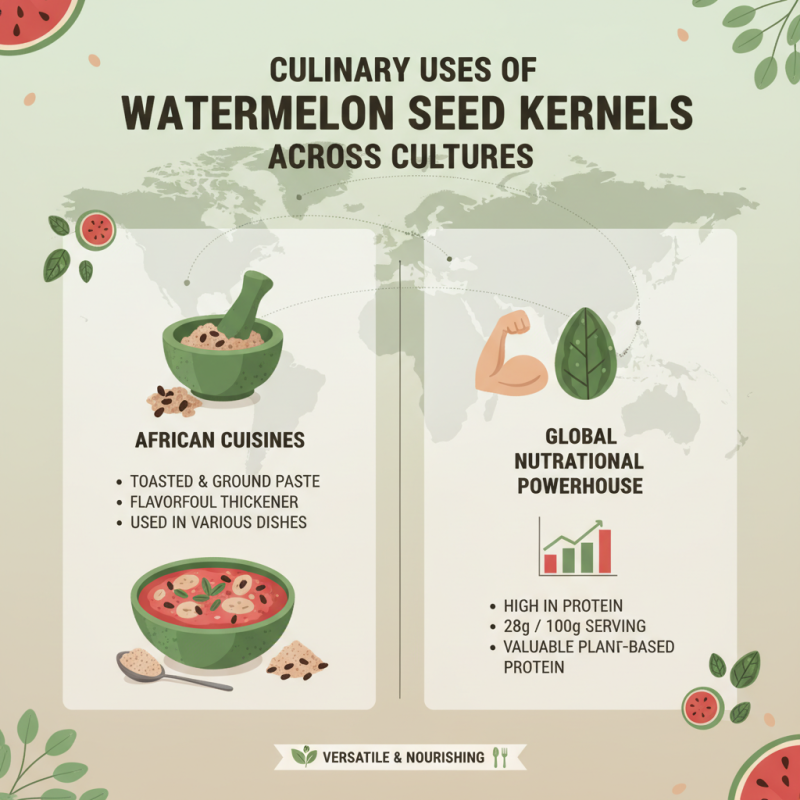
Watermelon seed kernels have garnered attention worldwide for their culinary versatility. In African cuisines, toasted watermelon seeds are often ground to make a flavorful paste used in various dishes. This technique not only enhances texture but also adds nutritional benefits. Reports indicate that watermelon seeds are high in protein, containing about 28 grams per 100 grams. This makes them a valuable component of plant-based diets.
In Asia, particularly in Chinese cooking, watermelon seeds are commonly used in snacks and desserts. The seeds are often roasted, yielding a crunchy texture that complements sweet and savory flavors. Recent data show that these seeds are rich in vitamins and minerals, including magnesium and zinc. Yet, many consumers remain unaware of these culinary applications and their health benefits.
Culinary practices vary globally, reflecting cultural identities. In Middle Eastern countries, watermelon seeds are key ingredients in traditional dishes. They are often incorporated into salads and as garnishes for soups. This highlights a creative use of resources. However, the underutilization of watermelon seeds in mainstream cooking presents an opportunity for chefs and home cooks alike to innovate. With growing interest in plant-based foods, the potential of watermelon seed kernels deserves more exploration.
Economic Impact of Watermelon Seed Kernels in Global Markets
Watermelon seed kernels are gaining attention in global markets for their unique nutritional profile and economic potential. These tiny seeds pack a punch, offering proteins, healthy fats, and vitamins. Their demand is surging, primarily due to rising health-conscious consumers. This trend points to increased opportunities for producers and exporters.
In many countries, the cultivation and extraction of watermelon seed kernels could boost local economies. Farmers can diversify their crops and tap into a growing market. Processing facilities can emerge, creating jobs and improving skills in rural communities. However, challenges remain. The market is still fragmented, and quality control varies widely.
Navigating regulations and ensuring sustainable practices are crucial for long-term success. Buyers must prioritize suppliers who adhere to high standards. This is vital for establishing a reliable supply chain. The future of watermelon seed kernels looks promising, but the journey requires careful planning and collaboration.
Top Benefits of Watermelon Seed Kernels for Global Buyers
This bar chart illustrates the various impact factors of watermelon seed kernels for global buyers, showcasing their nutritional value, market growth, export potential, culinary uses, and health benefits with percentage values indicating their significance in the global market.
Sustainability and Environmental Advantages of Watermelon Seed Production
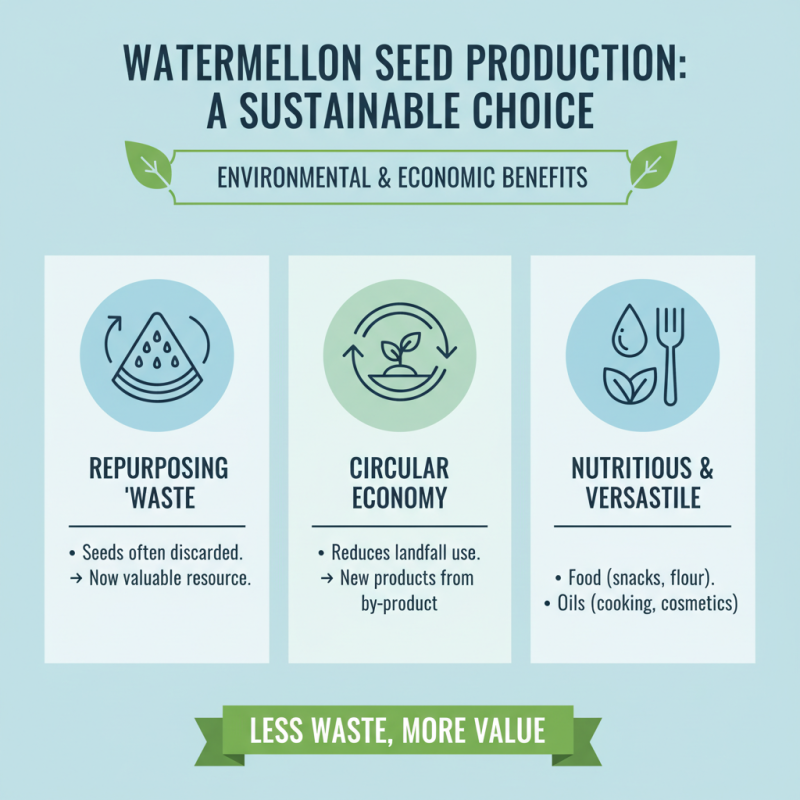
Watermelon seed production offers significant sustainability benefits. These seeds are often seen as waste in many regions. However, they can be repurposed into nutritious food items and oils. By utilizing watermelon seeds, we reduce waste and promote a circular economy. This practice helps in minimizing landfill use, which is crucial for environmental health.
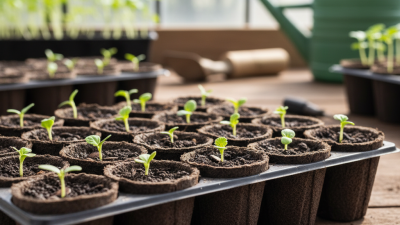
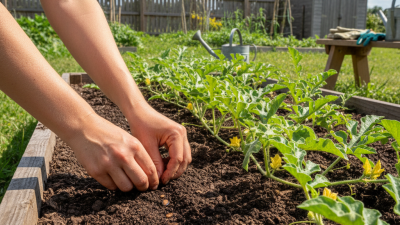
Additionally, growing watermelon for seeds has a low environmental impact. Watermelon plants require less water than many other crops. They can thrive in diverse soil conditions, making them ideal for various climates. By cultivating watermelon for its seeds, we encourage biodiversity. This is essential for maintaining healthy ecosystems.
Despite these advantages, challenges remain. Not all regions have infrastructure for seed processing. There is also a gap in consumer awareness about the benefits of watermelon seeds. Increased education could elevate the demand for these nutritious kernels. Addressing these issues can enhance the sustainability of watermelon seed production worldwide.