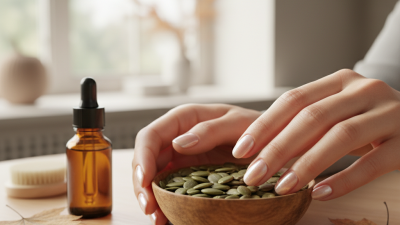
Could a small handful of pumpkin seeds help your skin look brighter, calmer, and more resilient? The answer is promising, but not magical. Pumpkin seeds contain zinc, magnesium, vitamin E, plant protein, and beneficial fats. These nutrients support normal skin function, antioxidant protection, and tissue repair. They may also complement a balanced diet when dryness or dullness reflects poor overall nutrition.
Dr. Marisa Garshick, a board-certified dermatologist, offers an important reminder: “Food can support skin health, but it cannot replace evidence-based skin care.” That caution matters. Pumpkin Seeds Shine Skin is a useful wellness idea, not a guaranteed treatment. Your skin may respond differently from someone else’s. Genetics, sleep, hydration, hormones, and sun exposure still shape the final result.
This guide explores seven pumpkin seed choices, including raw, roasted, sprouted, shelled, and unsalted varieties. Each option has practical strengths. Some are easier to digest. Others retain more of their natural texture. A few may contain added oil or excess sodium, which can quietly change their value.
Read labels carefully. Start with a small serving. Notice how your skin and stomach respond. The evidence is encouraging, yet incomplete. Pumpkin seeds can support a thoughtful skincare routine, but glowing skin rarely comes from one ingredient alone. Consistency matters more than hype.
Pumpkin seeds can support healthy-looking skin because they deliver zinc, magnesium, protein, and unsaturated fats. The USDA FoodData Central reports that one ounce of roasted pumpkin seed kernels provides about 9 grams of protein and 156 milligrams of magnesium. Protein helps maintain skin structure, while magnesium supports many cellular processes involved in repair.
Zinc is especially relevant. The NIH Office of Dietary Supplements explains that zinc supports immune function, protein production, and wound healing. These roles may help skin recover from everyday stress, although pumpkin seeds are not a proven acne cure. I would not call them a skin treatment. They are a nutrient-dense food.
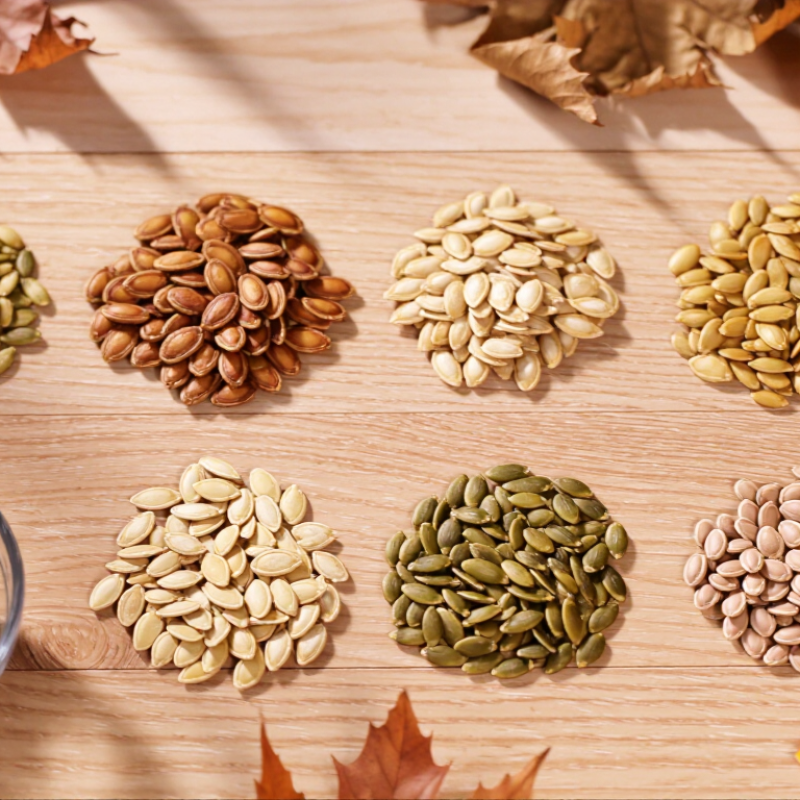
For the “seven best” choices, consider raw, dry-roasted, sprouted, shelled, unsalted, lightly salted, or ground pumpkin seeds. The better option depends on your diet and digestion. Unsalted seeds are usually easier to fit into a balanced eating pattern. Ground seeds can add a soft, nutty texture to yogurt or oatmeal. A small handful feels practical.
Still, more is not always better. Pumpkin seeds are calorie-dense, and flavored versions may contain substantial sodium or added oil. Check the nutrition panel. Evidence on direct skin glow remains limited, so expectations should stay realistic. Diet supports skin; it does not replace sunscreen, sleep, or medical care.
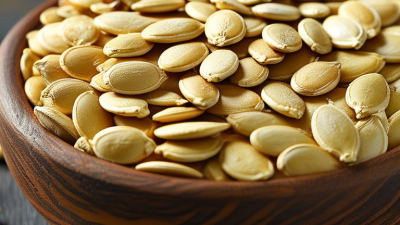
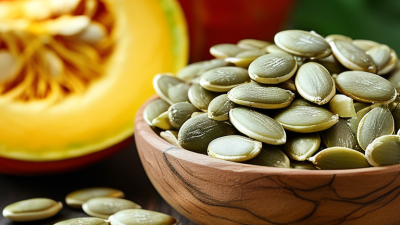
Seven pumpkin seed choices can support a healthier-looking complexion when they replace less nourishing snacks. Raw pumpkin seeds provide zinc, magnesium, protein, and unsaturated fats. These nutrients help maintain normal skin function, although they cannot erase wrinkles. Unsalted roasted seeds offer a crisp option with a deeper, nutty flavor. Hulled pepitas are easier to sprinkle over soup, vegetables, or yogurt.
Sprouted pumpkin seeds may feel lighter and offer a different texture, but their nutrition varies by preparation. Ground seeds blend smoothly into oatmeal or a homemade smoothie. Soaked seeds can become creamy in sauces, though they spoil faster and need careful refrigeration. Pumpkin seed butter supplies concentrated fats and calories, so a small spoonful is usually enough. Seven choices, seven textures.
Tips: Choose fresh seeds with no rancid smell. Select unsalted varieties when possible. Keep them sealed and cool. A practical serving is about one small handful, depending on your diet. Pair seeds with fruit or vegetables for a more balanced snack. Zinc supports skin health, but excessive supplements or seeds may upset digestion. People with seed allergies should avoid them. I used to assume roasted seeds were always better; they are not. High heat and added salt can reduce their everyday value. Evidence supports nutrient benefits, not guaranteed glowing skin.
| Choice | Form and Preparation | Best Practical Use | Calories per 28 g |
Protein per 28 g |
Magnesium per 28 g |
Zinc per 28 g |
Vitamin E per 28 g |
Sodium per 28 g |
Skin-Relevant Nutrient Note |
|---|---|---|---|---|---|---|---|---|---|
| 1. Raw Shelled Pumpkin Seeds | Plain, hulled kernels with no added salt or oil. | Salads, oatmeal, yogurt, and smoothies. | 157 kcal | 8.5 g | 166 mg | 2.1 mg | 2.2 mg | 2 mg | Zinc contributes to the maintenance of normal skin, while vitamin E helps protect cells from oxidative stress. |
| 2. Dry-Roasted, Unsalted Kernels | Dry-roasted without added salt, oil, or sugar. | A crunchy snack or topping for soups and grain bowls. | 160–165 kcal | 8.5–9 g | 150–165 mg | 2.1–2.3 mg | 2.0–2.3 mg | 0–5 mg | Provides protein, zinc, magnesium, and vitamin E without the extra sodium commonly found in salted versions. |
| 3. Dry-Roasted, Lightly Salted Kernels | Roasted kernels with a small amount of added salt. | Portable snacking when portion size is controlled. | 160–170 kcal | 8–9 g | 150–165 mg | 2.1–2.3 mg | 2.0–2.3 mg | 80–150 mg | Retains the seed’s mineral content, but sodium can vary substantially by preparation; check the nutrition label. |
| 4. Raw In-Shell Pumpkin Seeds | Whole seeds with the fibrous outer hull still attached. | Roasting at home or eating the edible kernel after shelling. | About 157 kcal* | About 8.5 g* | About 166 mg* | About 2.1 mg* | About 2.2 mg* | About 2 mg* | The hull may add fiber, but the actual edible portion varies; chew thoroughly and use edible-kernel nutrition values for comparison. |
| 5. Sprouted Pumpkin Seeds | Seeds soaked and germinated before drying or eating. | Adding to salads, vegetable bowls, and savory recipes. | 155–165 kcal† | 8–9 g† | 150–170 mg† | 2.0–2.3 mg† | About 2 mg† | 0–100 mg† | Sprouting may alter digestibility and nutrient availability, but results depend on the seed, soaking method, drying, and added ingredients. |
| 6. Ground Pumpkin Seed Meal | Finely milled pumpkin seed kernels, ideally without added sugar or salt. | Stirring into porridge, baked goods, sauces, or protein-rich smoothies. | About 157 kcal† | About 8.5 g† | About 166 mg† | About 2.1 mg† | About 2.2 mg† | 0–10 mg† | Offers the same naturally occurring nutrients as the kernels when no flour, sugar, oil, or salt is added. |
| 7. Plain Pumpkin Seed Butter | Blended pumpkin seed kernels with no added sugar, salt, or oil. | Spread on whole-grain toast or mixed into sauces and dressings. | 165–180 kcal† | 7–9 g† | 145–165 mg† | 1.9–2.3 mg† | 2.0–2.3 mg† | 0–20 mg† | A concentrated, convenient source of pumpkin-seed protein and minerals; unsweetened varieties help limit added sugar. |
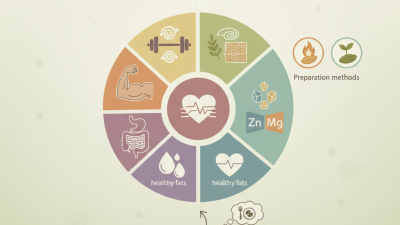
Pumpkin seeds offer several nutrients linked with normal skin function. Zinc supports wound healing and helps maintain the skin barrier. It also assists immune activity, though more zinc does not automatically mean clearer skin. A small handful provides useful minerals without requiring a complicated routine.
Vitamin E acts as an antioxidant that helps protect cells from oxidative stress. Pumpkin seeds also contain copper, which supports connective tissue formation and normal pigmentation pathways. Their protein contributes amino acids needed for tissue repair. Magnesium may support overall metabolism, but its direct effect on visible skin glow remains less certain.
Choose raw, roasted, or unsalted seeds according to your eating habits. Seven practical options include shelled seeds, whole seeds, lightly roasted seeds, raw seeds, ground seeds, sprouted seeds, and seed butter. Check the label for excessive salt or added sugar. Simple matters.
Adding two tablespoons to yogurt, oats, or a salad can improve consistency. I would not call pumpkin seeds a skin cure. The evidence is stronger for overall nutrition than dramatic cosmetic changes. Results also depend on sleep, sun protection, hydration, and existing skin conditions. My own expectation would stay modest: healthier meals may support skin over time, but they cannot replace medical care for persistent irritation or acne.
Pumpkin seeds can support a skin-friendly diet, but they are not a miracle food. The seven practical choices include raw kernels, dry-roasted seeds, unsalted seeds, sprouted seeds, ground seeds, pumpkin seed butter, and crushed seeds. Choose plain versions most often. Flavored products may carry extra sodium, sugar, or added oils.
According to USDA FoodData Central, one ounce of roasted pumpkin seed kernels provides roughly 160 calories, protein, unsaturated fat, and magnesium. It also supplies zinc, a mineral involved in normal skin maintenance and wound healing.
The NIH Office of Dietary Supplements lists zinc needs at 8 milligrams daily for most adult women and 11 milligrams for men. Pumpkin seeds help, but they do not cover the full requirement.
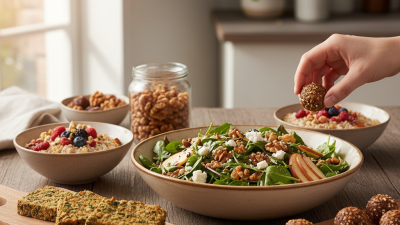
Try two tablespoons over oatmeal with berries and plain yogurt. Stir ground seeds into lentil soup. Add crushed kernels to a leafy salad with olive oil and lemon. A small handful can replace salty snack foods. Keep portions measured; healthy fats still contain substantial calories. Phytates may also reduce mineral absorption slightly, so soaking or sprouting could be worth trying, though the benefit is not guaranteed. My own practical mistake was eating them straight from the bag. A small bowl works better. Pair seeds with vegetables, fruit, legumes, and adequate water for a more balanced pattern.
Pumpkin seeds can support healthy-looking skin, but no seed creates instant radiance. USDA FoodData Central reports about 160 calories and 150 milligrams of magnesium per 28-gram serving of roasted kernels. They also provide protein, zinc, and unsaturated fats. These nutrients support normal skin structure and antioxidant defenses, according to the NIH Office of Dietary Supplements. My practical seven picks are raw kernels, unsalted roasted kernels, lightly salted seeds, shell-on seeds, sprouted seeds, organic-certified seeds, and freshly packed local seeds. “Best” depends on your diet and tolerance.
Portion size matters more than the label. Start with one tablespoon, then work toward 28 grams daily if it fits your calorie needs. Large handfuls can quietly add several hundred calories. Choose clean, dry seeds with a mild nutty smell. Avoid damp packages, bitter aromas, broken shells, or visible mold. High-sodium varieties may not suit people managing blood pressure. The American Heart Association recommends limiting sodium, so check the nutrition panel carefully. People with seed allergies should avoid pumpkin seeds and ask a clinician about cross-contact risks. Young children may also face choking risks from whole seeds.
Tips: Store opened seeds in an airtight container. Refrigeration helps preserve their oils. Raw seeds offer flexibility for oatmeal or salads. Dry-roasted seeds taste richer without added oil. Sprouted seeds sound healthier, but evidence for extra skin benefits remains limited. I would not overstate that claim. Compare serving sizes, sodium, and freshness before buying. One small bowl is enough.
Approximate contribution of key nutrients from a 28 g (1 oz) serving of plain pumpkin seed kernels, shown as a percentage of the U.S. Daily Value.
Pumpkin seeds provide protein, magnesium, zinc, iron, copper, phosphorus, and manganese. Choose plain, unsalted seeds with minimal added oil or sugar. A practical portion is about 28 g (1 oz), or a small handful. People with seed allergies should avoid them, and those managing kidney disease or mineral-restricted diets should ask a healthcare professional about appropriate portions. Values are approximate and can vary by variety and processing method. Nutrient estimates are based on USDA FoodData Central data and current U.S. Daily Values.