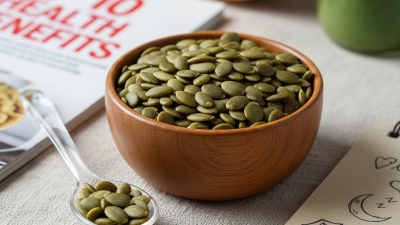
How to Choose the Best Pumpkin Seeds Kernels for Nutrition?
Choosing the best Pumpkin Seeds Kernels for nutrition can feel overwhelming. These tiny seeds pack a powerful punch. They are rich in vitamins, minerals, and healthy fats. But not all pumpkin seeds are created equal. Quality varies significantly among brands and types.
When selecting Pumpkin Seeds Kernels, consider their source. Organic seeds often have higher nutrient profiles. Look for seeds that are raw and unprocessed. This ensures you retain the maximum benefits. Pay attention to the packaging date. Fresher seeds will taste better and be more nutritious.
Taste and texture also matter. Some seeds are crispy and flavorful, while others may be stale. Experiment with different brands to find your favorite. Remember, the best pumpkin seeds not only nourish your body but also delight your palate. Keep in mind, everyone's preferences and needs are unique. So take your time in making the right choice for your health.
Understanding the Nutritional Benefits of Pumpkin Seed Kernels
Pumpkin seed kernels, also known as pepitas, are packed with essential nutrients. They are rich in magnesium, zinc, and healthy fats. These nutrients contribute to various health benefits, making pumpkin seeds a popular choice for nutrition enthusiasts. One hundred grams of pumpkin seeds can provide almost half of the recommended daily intake of magnesium. This mineral is crucial for bone health and metabolic function.
The presence of antioxidants in pumpkin seeds is another notable advantage. These compounds help in combating oxidative stress within the body. Regular consumption can support heart health and improve cholesterol levels. However, it’s important to remember that moderation is key. Overeating any food, including pumpkin seeds, can lead to unwanted weight gain.
When selecting pumpkin seed kernels, consider their freshness. Fresh seeds have a rich, nutty flavor and a satisfying crunch. Check for signs of rancidity, such as an off smell or dull appearance. Knowing how to choose and store these seeds can enhance their nutritional benefits. Embrace the journey of experimenting with pumpkin seeds in your diet, and enjoy the variety they offer.
Factors to Consider When Choosing Quality Pumpkin Seeds
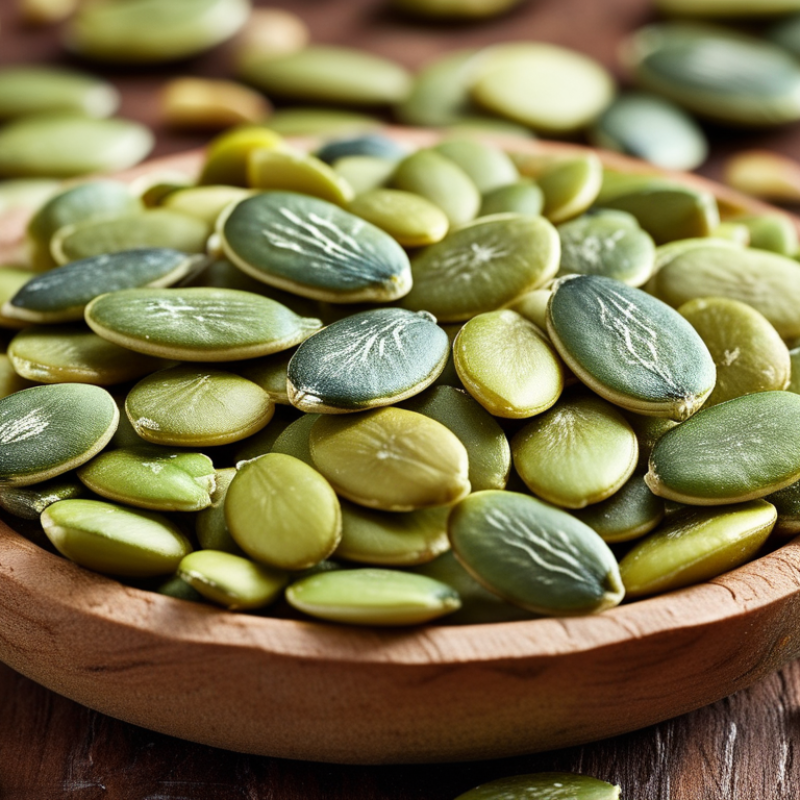
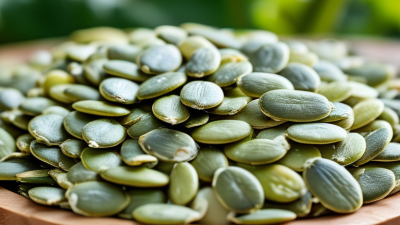
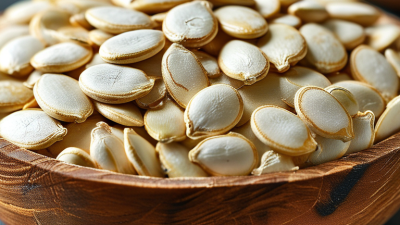
Choosing quality pumpkin seeds requires careful consideration of several factors. Start by examining the appearance of the seeds. Good pumpkin seeds should be plump, shiny, and free of blemishes. A healthy seed indicates better nutrition and flavor. Look for green or off-white seeds; dark or shriveled seeds can be stale.
Next, consider the source of the seeds. Seeds from reputable suppliers are more likely to be fresh. Reading customer reviews can provide insights into quality. Also, organic seeds often have fewer pesticides and chemicals. This can be an important factor for health-conscious consumers.
Finally, check for nutritional information. Quality pumpkin seeds should have high protein, fiber, and healthy fats. They also contain essential vitamins and minerals. Don't hesitate to compare different options before making a choice. Each brand may vary, and not all seeds offer the same benefits.
How to Choose the Best Pumpkin Seeds Kernels for Nutrition? - Factors to Consider When Choosing Quality Pumpkin Seeds
| Factor |
Description |
Nutritional Value (per 100g) |
| Type |
Look for raw, organic, or roasted seeds with minimal processing. |
Protein: 30g | Fat: 49g | Carbs: 10g |
| Color |
Pumpkin seeds should be a vibrant green color, indicating freshness. |
Vitamin E: 0.3mg | Zinc: 7.8mg |
| Texture |
Seeds should be firm and not have a soft or mushy texture. |
Magnesium: 592mg | Iron: 15mg |
| Packaging |
Choose seeds in airtight packaging to ensure freshness and shelf life. |
Fiber: 6g | Calcium: 16mg |
| Harvest Date |
Look for seeds that have a recent harvest date for optimal nutrition. |
Omega-3: 0.1g | Omega-6: 0.7g |
Comparing Raw vs. Roasted Pumpkin Seed Nutritional Profiles
When considering pumpkin seeds, it's vital to compare raw and roasted varieties. Each offers distinct nutritional benefits. Raw pumpkin seeds, also known as pepitas, retain more of their natural oils. They are rich in magnesium, iron, and zinc. A 100-gram serving of raw seeds provides approximately 18 grams of protein and 16 grams of fiber. This makes them a perfect choice for those seeking plant-based nutrition.
Roasted pumpkin seeds undergo a different process. High temperatures during roasting can alter some nutrients. For instance, a study published in the Journal of Food Science indicates that roasting can reduce vitamin E levels by up to 60%. However, roasting enhances the flavor, making them a popular snack choice. Interestingly, roasted seeds still maintain a substantial amount of their protein content, providing around 19 grams per 100 grams.
Another aspect to consider is the potential loss of certain antioxidants. Raw seeds contain compounds like tocopherols that may diminish when roasted. Consumers should weigh these factors according to their dietary goals. Balancing taste and nutrition can lead to better choices. Each option has its merits, depending on individual preferences and needs.
Identifying Organic and Non-Organic Pumpkin Seed Options
When selecting pumpkin seeds, understanding the difference between organic and non-organic options is vital. Organic pumpkin seeds are cultivated without synthetic pesticides or fertilizers. They often contain higher levels of nutrients. A report from the Soil Association indicates that organic farming boosts biodiversity and soil health. These factors can enhance the nutritional profile of the seeds.
Non-organic pumpkin seeds, on the other hand, may come from crops treated with chemicals. Studies suggest that these substances can linger in the seeds, potentially impacting health. A 2021 research by the Environmental Working Group highlighted the residual pesticide levels in conventionally grown seeds. This finding raises questions about their long-term consumption safety.
Choosing organic seeds isn’t just about nutrition; it’s also about environmental impact. Organic farming practices contribute positively to the ecosystem. Yet, some experts argue that price can deter buyers. Organic seeds are often more expensive. This dilemma can affect purchasing decisions. Evaluating your priorities—health versus cost—is crucial in this decision-making process.
Tips for Storing and Using Pumpkin Seed Kernels Effectively
When storing pumpkin seed kernels, it is important to keep them fresh and nutritious. A cool, dark place is best. Avoid direct sunlight and humidity. A study from the American Institute for Cancer Research notes that storing nuts and seeds in airtight containers extends freshness by months. Remember to check for rancidity. Fresh seeds have a pleasant, nutty aroma.
Using pumpkin seeds in meals can enhance nutritional value. They are rich in magnesium, phosphorus, and polyunsaturated fats, according to a report from the USDA. A serving of 28 grams offers nearly 15 grams of healthy fats. Sprinkle them on salads or blend into smoothies for extra crunch and nutrition.
However, be cautious with portions. Overconsumption can lead to digestive discomfort. It's best to limit your intake to a handful a day. Mindful eating practices contribute to better digestion. Keep a balance in your diet by combining pumpkin seeds with other foods for varied nutrition.
Nutrition Comparison of Different Pumpkin Seed Kernels
This chart compares the nutritional content of different types of pumpkin seed kernels, focusing on protein, fat, and carbohydrates per 100 grams. Choosing the right type can enhance your nutrition depending on your dietary needs.