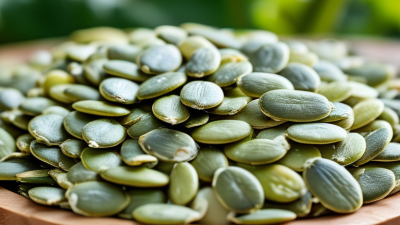
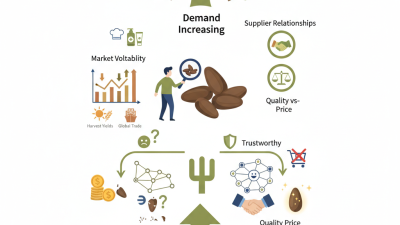
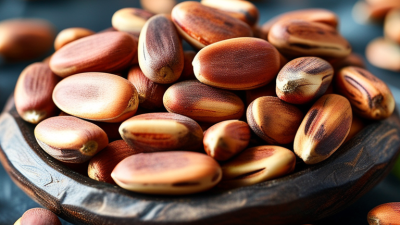
Global demand for Pumpkin Seeds is expanding across snack, bakery, plant-based, and cold-pressed oil markets. Buyers now expect more than competitive pricing. They need stable specifications, reliable documentation, and consistent seasonal supply.
The International Trade Centre’s Trade Map shows active cross-border trade in edible seeds and related oilseed categories. However, pumpkin seeds are often grouped under broader HS classifications. This makes supplier comparisons less precise. The INC Statistical Yearbook also highlights the importance of origin, processing, and crop-year information in the global tree nut and seed trade. These sources offer useful direction, but not a perfect market picture.
Quality starts with the crop.
A serious supplier should explain seed variety, growing region, harvest timing, and drying practices. Buyers should also verify moisture levels, foreign-matter controls, microbiological testing, pesticide compliance, and packaging performance. A bright green kernel may look attractive, yet appearance alone cannot confirm freshness or safety. Documentation matters.
This guide reviews 10 Best Pumpkin Seeds Suppliers for Global Buyers through a practical procurement lens. It considers product consistency, export experience, certifications, processing capacity, private-label support, and communication quality. Supplier rankings can change as harvest conditions, freight costs, and regulations shift. That limitation deserves attention. No single report can replace a sample inspection and a documented quality agreement. Still, structured comparison helps importers reduce avoidable risks and identify partners capable of delivering clean, traceable, and commercially dependable Pumpkin Seeds.
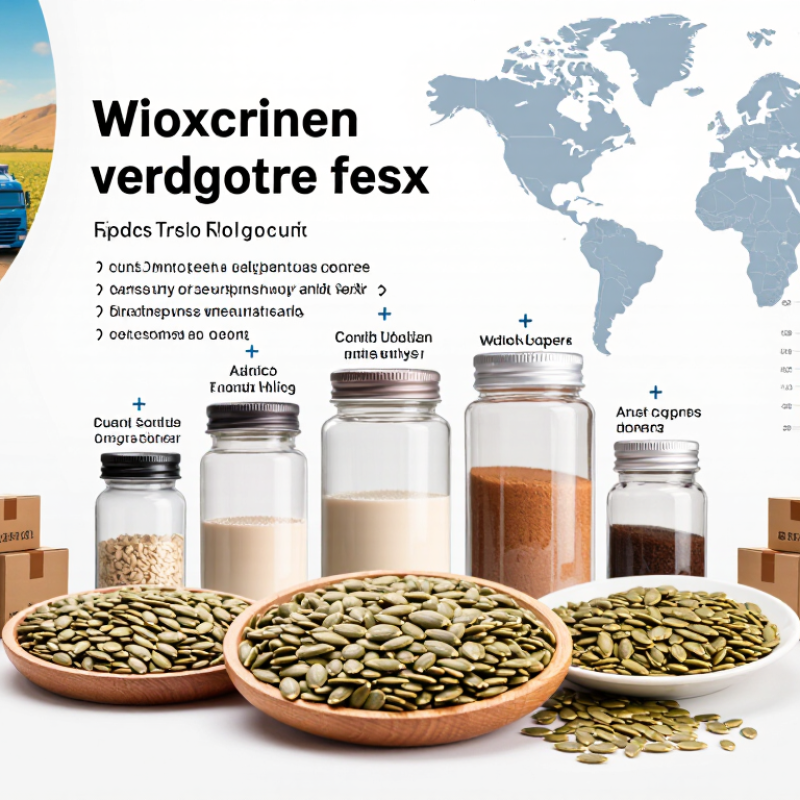
Reliable pumpkin seed suppliers prove consistency beyond attractive prices. The 2024 International Nut and Dried Fruit Council Statistical Yearbook places global pumpkin seed production in the million-tonne range. That scale creates quality differences between origins, harvests, and processing lines. Buyers should request harvest-year details, botanical variety, moisture results, and lot-specific certificates. A supplier should also explain drying temperatures, cleaning stages, metal detection, and storage conditions. Clear answers matter more than polished brochures.
Food safety controls must follow recognized systems. Codex General Principles of Food Hygiene, revised in 2022, emphasizes hazard analysis, sanitation, traceability, and verification. Reliable suppliers can connect each export lot to farm records, laboratory results, and shipping documents. Testing should cover Salmonella, aflatoxins, pesticide residues, foreign materials, and moisture. Reports need accredited laboratory details and sample dates. A certificate without traceability is weak evidence.
Tips: Compare at least three recent lots, not one sample. Ask for the supplier’s complaint rate and corrective-action records. Check packaging strength through a small trial shipment. Inspect odor, color, breakage, and infestation signs on arrival. Do not rely only on ISO certificates. They show a management framework, not perfect daily performance. Even strong suppliers can experience seasonal variation. That deserves discussion, not concealment.
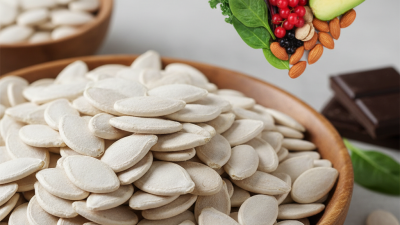
Comparing pumpkin seed suppliers worldwide requires more than checking a price list. Product origin, harvest season, and seed variety affect flavor, color, size, and oil content. Experienced buyers should request recent samples before approving large orders. A clean, mild aroma and consistent appearance matter, but laboratory results matter more. Test reports should cover moisture, microbiological safety, pesticide residues, and foreign materials.
Traceability is another practical test. A dependable supplier can identify the farm region, processing site, lot number, and packing date. Ask how the seeds are cleaned, dried, stored, and protected from moisture. Food safety certifications can support credibility, but buyers should verify their validity and scope. Paperwork alone is not enough.
Look closely at packaging and shipping performance. Strong, food-grade bags, secure pallets, and clear labels reduce damage during long transit. Confirm minimum order quantities, lead times, storage conditions, and replacement procedures before signing an agreement. Communication reveals useful details. Do replies arrive clearly and on time?
Price still matters, but it should be compared against yield, quality stability, and logistics costs. A cheaper shipment may contain more broken seeds or inconsistent grades. That risk is easy to underestimate. I would also request references or shipment records, while recognizing that no supplier performs perfectly in every season. Weather, labor, and port delays can change outcomes. A careful comparison leaves room for these realities.
| Rank | Anonymous Supplier Profile | Primary Supply Region | Product Focus | Typical Export Form | Indicative MOQ | Common Packing Options | Quality & Food-Safety Evidence | Typical Lead Time | Global-Buyer Suitability | Screening Score |
|---|---|---|---|---|---|---|---|---|---|---|
| 1 | Profile A — Large Integrated Processor Suitable for stable, recurring import programs |
Central and Eastern Europe | In-shell pumpkin seeds; hulled kernels; roasted and salted options | Raw, cleaned, graded, or roasted | 1 full pallet or approximately 500 kg | Vacuum bags, carton boxes, woven sacks, or bulk bags | HACCPBRCGS or equivalentCOA available | 3–6 weeks after specification approval | Strong capacity, documentation, and container-loading capability | 9.2/10 |
| 2 | Profile B — Organic-Oriented Exporter Best for certified natural-food channels |
Central Asia and Eastern Europe | Organic hulled kernels; conventional kernels; pumpkin seed oil-grade material | Raw and organic-certified where applicable | 250–500 kg, depending on certification and season | Food-grade liner bags, vacuum packs, and export cartons | Organic certificateTraceability recordsPesticide testing | 4–8 weeks during peak season | Good fit for retailers requiring origin and organic documentation | 9.0/10 |
| 3 | Profile C — High-Volume Agricultural Cooperative Competitive for container-scale procurement |
North America | Large in-shell seeds; kernels for bakery and snack production | Cleaned, machine-graded, and bulk packed | 1–5 metric tons | 25 kg bags, 500–1,000 kg bulk bags, or lined cartons | Lot traceabilityAflatoxin testingForeign-material control | 4–7 weeks, subject to harvest availability | Strong for large-volume buyers with flexible packaging requirements | 8.8/10 |
| 4 | Profile D — Specialty Kernel Processor Focused on premium appearance and uniformity |
Eastern Europe | Premium hulled kernels; whole kernels; bakery-grade selections | Raw, sorted, and size-graded kernels | 100–250 kg for trial orders; 500 kg for regular orders | Vacuum-packed inner bags inside cartons | COA by lotMicrobiological testingMetal detection | 3–5 weeks for standard specifications | Good for premium snacks, bakery, and ingredient applications | 8.7/10 |
| 5 | Profile E — Organic and Fair-Trade Capable Supplier Designed for ethical sourcing programs |
South America | Organic in-shell seeds and kernels; raw snack ingredients | Raw and minimally processed | One pallet, commonly 300–600 kg | Recyclable cartons, vacuum packs, and bulk food-grade bags | Organic verificationSocial-compliance recordsBatch traceability | 6–10 weeks, including ocean freight preparation | Attractive for sustainability-led brands and specialty importers | 8.5/10 |
| 6 | Profile F — Roasted Snack-Seed Manufacturer Suitable for ready-to-sell consumer products |
Southern Europe | Roasted, salted, seasoned, and private-label pumpkin seeds | Finished retail packs or food-service packs | 1,000–3,000 retail units or approximately 200 kg | Stand-up pouches, pillow bags, cartons, and display boxes | HACCPAllergen controlsShelf-life testing | 5–9 weeks, depending on artwork and packaging | Best for distributors seeking finished snack products rather than bulk kernels | 8.4/10 |
| 7 | Profile G — Flexible Mid-Sized Trading and Processing Supplier Useful for mixed specifications and smaller imports |
Eastern Europe and the Black Sea region | In-shell seeds, kernels, roasted products, and mixed grades | Raw or roasted; bulk and semi-finished | 100–300 kg for trial orders | 10–25 kg bags, cartons, and palletized bulk packaging | Supplier declarationsCOA on requestVisual sorting | 2–6 weeks, depending on stock position | Good flexibility, but buyers should verify audit status and testing frequency | 8.1/10 |
| 8 | Profile H — Industrial Ingredient Supplier Optimized for food manufacturers |
Asia-Pacific | Hulled kernels, chopped kernels, meal, and oil-processing material | Bulk industrial ingredient | 500 kg–1 metric ton | 20–25 kg kraft bags, lined cartons, or bulk bags | HACCP-based systemPesticide screeningMoisture testing | 4–8 weeks plus shipping time | Suitable for bakery, cereal, confectionery, and ingredient production | 8.0/10 |
| 9 | Profile I — Seasonal Farm-Origin Supplier Appealing for traceable origin and small-batch programs |
Eastern Europe and Central Asia | In-shell seeds and natural kernels from seasonal harvests | Raw, cleaned, and basic graded product | 50–150 kg for initial orders | Paper sacks, vacuum bags, and small export cartons | Origin documentationBasic COAHarvest records | 4–10 weeks, strongly affected by harvest timing | Good for specialty shops, farmers-market channels, and test imports | 7.8/10 |
| 10 | Profile J — Private-Label and E-Commerce Supplier Designed for branded retail programs without naming a specific company |
North America and Western Europe | Retail-ready roasted seeds, flavored kernels, and gift packs | Finished consumer packaging | 500–2,000 units per SKU | Printed pouches, jars, cartons, and multi-pack cases | Label compliance reviewShelf-life dataAllergen declaration | 6–12 weeks, including packaging production | Best for online sellers and retailers; less suitable for bulk ingredient buying | 7.6/10 |
10 Best Pumpkin Seed Suppliers for Global Buyers
Choosing the ten best pumpkin seed suppliers requires more than comparing quotations. Global buyers should assess origin, harvest date, kernel yield, moisture, microbial controls, and export experience. FAOSTAT’s 2023 crop data places worldwide pumpkin, squash, and gourd production above 40 million tonnes, yet seed volumes remain difficult to measure. Trade datasets often combine pumpkin seed with other oilseeds under HS 120799. That limitation deserves attention.
A practical shortlist can include audited growers and processors from Central Europe, East Asia, South Asia, Eastern Europe, and North America. Strong suppliers provide pesticide-residue reports, Salmonella and aflatoxin results, allergen statements, and traceable lot codes. Ask for a 500-gram pre-shipment sample. Check its color, crunch, shell fragments, and rancid odor after storage. The International Trade Centre’s Trade Map data can help compare export routes, while Codex guidance supports food-safety verification. Price alone is a weak ranking method.
Tips: Request Incoterms, minimum order quantity, packaging material, and shelf-life evidence in writing. For roasted seeds, confirm salt level and oil type. For hulled kernels, test oxidation after several weeks, not only on arrival. A small gap often appears between laboratory results and warehouse reality. Also verify that certificates belong to the actual production site, not merely the trading office.
Choosing among the 10 best pumpkin seed suppliers requires more than comparing prices. Product quality should remain consistent across every shipment. Check kernel size, color, moisture, foreign matter, and microbial results. A fresh sample should have a clean, mild flavor and a crisp bite after roasting. Ask for the harvest region, lot number, processing date, and a certificate of analysis. Traceability matters when a container arrives with unexpected differences.
Certifications can show stronger control, but documents need careful review. Look for current HACCP, ISO 22000, BRCGS, organic, or phytosanitary certificates where applicable. Confirm the certificate scope, facility address, expiry date, and issuing body. A polished certificate file can still hide weak batch control. That is an uncomfortable but important reality. Independent laboratory testing may verify aflatoxins, pesticide residues, heavy metals, and pathogens. Requirements differ by destination, so confirm them before signing a contract.
Tips: Request two production samples, not one. Compare flavor, breakage, packaging seals, and test results. Discuss customization early, including raw or roasted seeds, salted or unsalted versions, private-label packaging, carton sizes, and retail-ready pouches. Suppliers should explain minimum order quantities, lead times, pallet patterns, and storage conditions. Printed packaging may look excellent, yet weak moisture protection can reduce shelf life. Small details deserve attention.
For global buyers, the best pumpkin seed suppliers offer more than competitive quotes. They provide traceable lots, consistent grades, and clear export documentation. Request samples before confirming volume. Check kernel size, moisture, cleanliness, harvest date, and laboratory results. A reliable supplier should explain testing methods and storage conditions. My purchasing experience suggests that low prices often hide higher sorting losses or weaker packaging.
Shipping terms can change the real cost significantly. Compare FOB, CIF, and delivered quotations carefully. Ask about pallet dimensions, container loading, transit insurance, and temperature exposure. Pumpkin seeds need dry, protective packaging during long ocean journeys. Import files may include a commercial invoice, packing list, certificate of origin, and phytosanitary documents. Requirements differ by destination, so confirm them with customs authorities before payment.
Tips: Build a landed-cost sheet before choosing among ten shortlisted suppliers. Include product price, freight, duties, inspections, storage, and possible delays. Ask whether prices remain fixed after sampling. A small trial order is safer, although it may cost more per kilogram. I once underestimated destination handling fees; that mistake made a cheap offer expensive. Recheck every assumption. Short emails prevent costly misunderstandings.