How to Buy High Quality Sunflower Seed Kernels Worldwide?
When considering the purchase of high-quality sunflower seed kernels, it’s essential to navigate a complex global market. Sunflower seed kernels, prized for their nutritional value and versatility, are a staple in many diets worldwide. However, not all kernels are created equal. Factors such as sourcing, quality control, and supplier reliability play crucial roles in the selection process.
Buyers must assess various suppliers, understanding the nuances of their offerings. This includes looking for certifications that indicate quality assurance. The journey to find premium sunflower seed kernels involves more than just price comparisons. It requires a deep dive into the supplier's background, their harvesting methods, and their processing techniques. There may be moments of doubt and challenges when verifying these aspects.
Additionally, awareness of regional variations can affect quality. Some regions yield superior kernels due to climatic conditions. Do your research, seek expert opinions, and always be ready to ask tough questions. Finding the right sunflower seed kernels is not just about shopping; it’s about building a relationship with trustworthy suppliers. The effort invested can lead to exceptional culinary uses and health benefits.
Understanding Sunflower Seed Kernels: Types and Grades
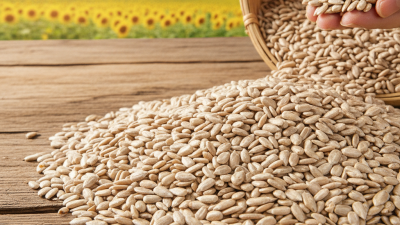
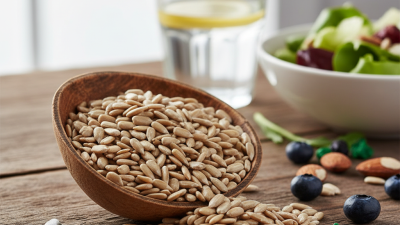
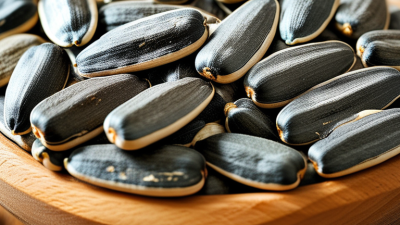
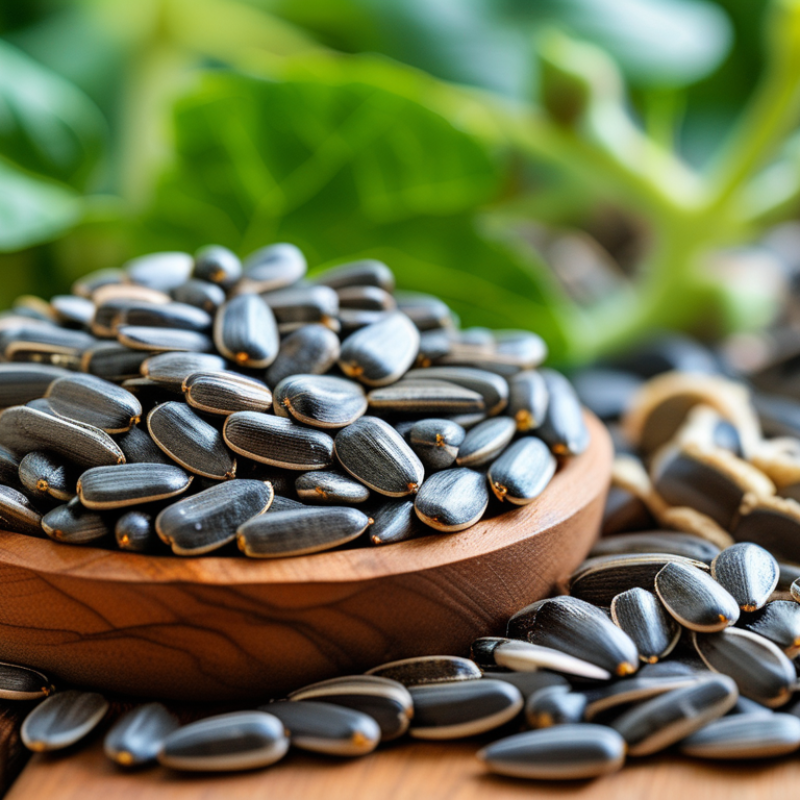
Sunflower seed kernels come in various types and grades, which can affect quality and price. The most common types include hulled, unhulled, and roasted kernels. Hulled kernels are completely peeled and have a higher oil content, making them ideal for snacks and cooking. Unhulled varieties retain their shell, offering a crunchy texture but lower oil content. Understanding these types helps in selecting the right product for your needs.
Quality grading for sunflower seed kernels is crucial. According to industry standards, grades are based on size, color, and the presence of foreign material. Higher grades possess a uniform size and vibrant color while containing minimal imperfections. Reports show that grade 1 kernels command a higher market price, often exceeding $1,000 per metric ton. Conversely, lower grades can be significantly cheaper but may contain higher defect percentages. This variation in grades can lead to discrepancies in both cooking properties and snack appeal.
When sourcing sunflower seed kernels, it’s essential to verify the supplier’s grading accuracy. Many suppliers may misrepresent their product quality. This not only affects your purchasing decision but can also impact production quality. In some cases, a lower-priced kernel may result in higher costs down the line due to these hidden quality issues. Being informed allows buyers to navigate the global market more effectively.
Identifying Reliable Suppliers and Sources for Sunflower Seeds
When searching for high-quality sunflower seed kernels, identifying reliable suppliers is crucial. Start by researching international markets. Look for suppliers with strong reputations. Online directories can be a valuable resource. Check customer reviews and ratings to gauge their reliability.
Tips: Always request samples before making a bulk purchase. This will allow you to assess quality directly. Be cautious of suppliers who cannot provide traceability for their products. Transparency in sourcing should be a red flag.
Networking can also help in finding trustworthy suppliers. Attend trade shows or industry events dedicated to agriculture. These venues often feature reputable suppliers showcasing their products. Engaging with industry professionals can lead to valuable recommendations.
Tips: Consider suppliers who are members of industry associations. This affiliation can indicate a commitment to quality standards. Don't hesitate to ask for certifications. These documents can reveal much about the supplier's operational integrity.
Evaluating Quality Indicators of Sunflower Seed Kernels
Evaluating the quality of sunflower seed kernels is crucial for importers worldwide. Key indicators include size, color, moisture content, and the presence of defects. According to industry reports, high-quality kernels typically measure between 8-10mm in length and exhibit a uniform golden hue. Deviations in size can affect roasting and oil extraction performance.
Moisture levels are another critical factor. Experts recommend a moisture content below 10% for optimal storage and longevity. Excess moisture can lead to mold growth and spoilage. Additionally, the appearance of the kernels should be free from dark spots or discoloration, as these often signal poor quality or spoilage. Quality assessments should also consider the kernel’s taste and texture.
While industry standards exist, quality can vary due to factors like origin and harvesting methods. Regular testing and sourcing from reliable suppliers can minimize risks. Importers should be wary of deals that seem too good to be true. Effective evaluation may require additional investments in testing technology. Understanding these indicators will help ensure that buyers receive high-quality sunflower seed kernels.
Navigating International Trade Regulations for Seed Purchase
When navigating international trade regulations for purchasing high-quality sunflower seed kernels, it is crucial to be well-informed. Various countries impose strict import and export laws that can affect your purchase. For instance, countries may require specific phytosanitary certificates to ensure the seeds are free from pests. Reports indicate that compliance with these regulations can reduce shipment delays by up to 30%. Non-compliance may lead to confiscation or costly fines.
Every buyer should stay updated on the regulations in both the exporting and importing countries. Different nations have unique requirements, including tariffs and import quotas. A comprehensive understanding allows you to avoid unexpected costs or interruptions. It’s worth noting that accessing reliable trade data can significantly enhance strategic decision-making. According to industry analyses, the global sunflower seed market is projected to grow by 5% annually, emphasizing the need for informed purchasing strategies.
Tips: Always consult with a trade expert before proceeding with bulk purchases. Double-check all regulatory documents to avoid last-minute issues. Establish strong relationships with suppliers. This can help ensure better communication and prompt updates about changing regulations. Being thorough and prepared reduces risks effectively.
Best Practices for Storing and Transporting Sunflower Seed Kernels
When it comes to storing sunflower seed kernels, the right environment is essential. These seeds require cool, dry conditions. A temperature range of 50 to 70 degrees Fahrenheit works best. High humidity can lead to mold growth, which compromises seed quality. Therefore, using airtight containers is advisable. These containers help reduce moisture exposure.
Transporting sunflower seed kernels presents its own challenges. The risk of damage during transit can affect the quality of the seeds. It’s crucial to handle the seeds with care. Use padded packaging to minimize movement. Also, consider the climate during transportation. Extreme heat can spoil the seeds quickly. Using climate-controlled vehicles for long distances can provide protection against temperature fluctuations.
Many producers overlook the importance of quality checks before shipping. Conducting thorough inspections can prevent issues down the line. Not all seeds are created equal. Some may carry pests or diseases that are hard to detect. Awareness of local regulations is also vital. Different regions may have unique requirements for seed transport.