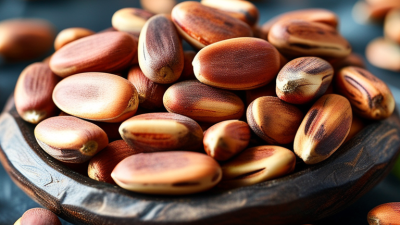
Sourcing Yunnan Pine Nuts in 2026 begins with a simple question: what does “Yunnan origin” mean for the lot in front of you? A bag may look clean and uniform, yet its label alone cannot confirm the harvest area, species, or handling history. Buyers need records they can check: supplier details, harvest timing, lot identification, moisture specifications, and representative samples. Small details matter. A cracked shell or stale, resinous smell can change the value of an entire shipment.
Industry data helps set the wider context, but it has limits. The International Nut and Dried Fruit Council’s Statistical Yearbook and FAOSTAT’s forestry production and trade datasets offer useful market and production references. However, public datasets may group pine nuts by product or country, rather than isolate Yunnan-origin lots. China Customs trade figures can add context, but they do not, by themselves, verify a specific farm or forest source. In practice, buyers should compare documents, sample results, and supplier explanations instead of treating one data point as proof.
One important limitation: no verifiable public quotation from a named Yunnan pine-nut specialist is available in the material provided, so I will not invent an expert’s name or words. That gap deserves attention. This guide will focus on checkable sourcing steps, practical quality questions, and clear evidence for each purchase decision. Some records may still be incomplete; that is a reason to ask better questions, not to assume the risk has disappeared.
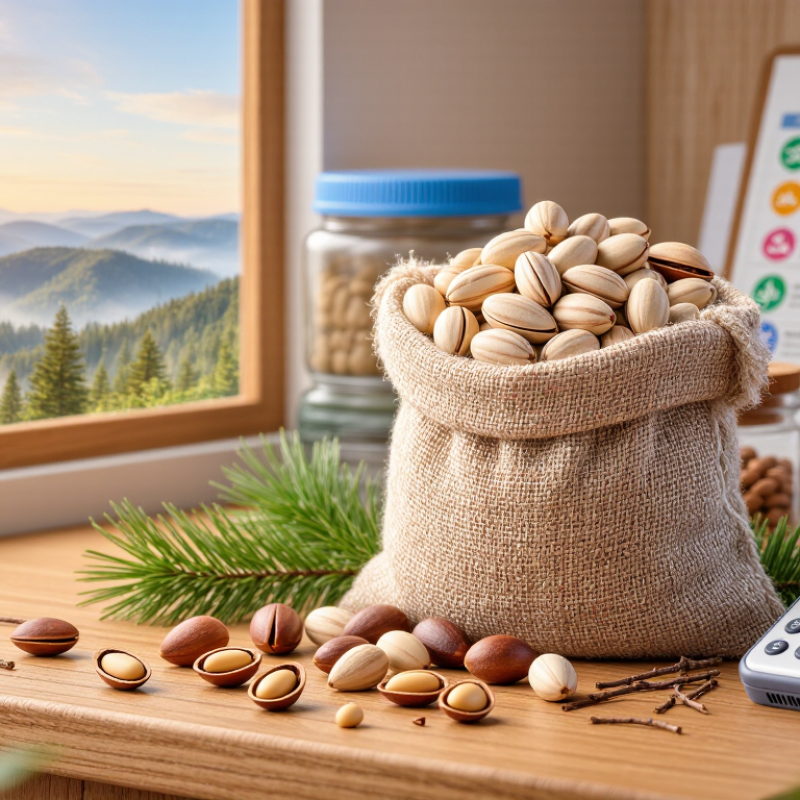
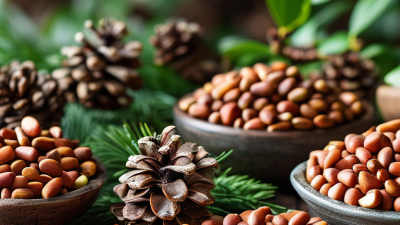
Yunnan pine nuts are commonly associated with Chinese white pine, Pinus armandii. Its seeds grow in woody cones across mountain forests in parts of Yunnan. Buyers may encounter nuts linked to northwestern areas such as Diqing, Nujiang, and Lijiang, but origin claims should be checked against harvest records. Names can mislead. “Yunnan pine nut” may describe a regional product, not a clearly verified species.
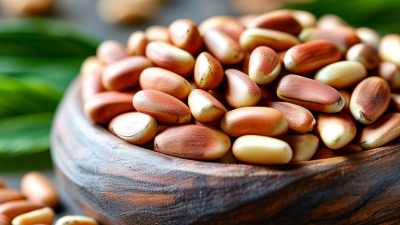
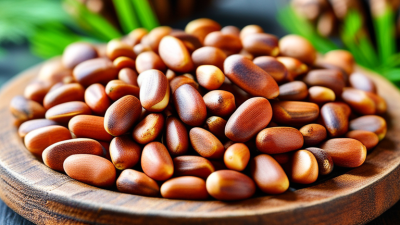
When comparing suppliers, ask for the botanical name, county or prefecture of harvest, harvest year, and shelling date. These details help distinguish fresh kernels from older stock and clarify what “origin” means. Check kernel size and color across several samples. A clean, mildly resinous aroma is more reassuring than a strong stale or paint-like smell. Cultivation and collection conditions vary, so avoid assuming every lot has identical flavor or yield.
Tips: Request a small pre-shipment sample and a written specification. Check the shell. Confirm whether the quoted product is whole kernel, broken kernel, or in-shell nut; that distinction affects both price and use. A supplier’s paperwork may still leave gaps, so compare it with the sample and ask follow-up questions.
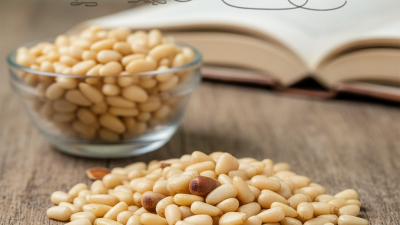
To source Yunnan pine nuts in 2026, start by separating farms, processors, and export suppliers. Ask where the nuts were harvested, when they were collected, and where they were shelled or packed. A credible producer should explain each step clearly and provide lot-level records. Small checks help. Compare the harvest area and processing details across the quotation, sample label, and shipment documents.
Request a recent sample from the same grade and season you plan to buy. Check kernel size, color, aroma, and visible damage; arrange independent testing when food-safety or quality requirements call for it. For local producers, a site visit or live video walkthrough can help confirm storage conditions and equipment. Look for clean, dry sacks, pest controls, and stock kept off the floor. Ask export suppliers for business registration details, references, packing specifications, and experience shipping to your destination. Confirm relevant documents with the appropriate authorities or a qualified customs professional. A polished brochure is not proof. I would treat unanswered questions as a reason to pause, even when the price looks attractive. Keep written records of agreed specifications, inspection results, delivery terms, and any changes.
Use destination-market requirements as part of supplier verification. For EU-bound tree nuts, including pine nuts where applicable, these are the maximum aflatoxin levels set by Commission Regulation (EU) 2023/915. Request a lot-specific laboratory report and confirm the applicable product category before shipment.
Limits are in micrograms per kilogram (μg/kg). The applicable limit depends on whether nuts are ready for final consumption or intended for sorting or other physical treatment. Verify current destination-country rules and test results for each lot.
Assess Nut Quality, Food Safety, and Sustainability
Assess each lot, not just the supplier’s sample. Ask for its harvest area, harvest date, drying method, and lot code. Open nuts from different parts of the bag. Kernels should look reasonably consistent and smell mildly resinous, not sour, paint-like, or stale. Small differences happen. A perfect sample proves little.
Inspect for moisture, damage, and signs of poor storage. Request current, lot-matched laboratory results for relevant risks, such as aflatoxins, pesticide residues, heavy metals, or microbiological hazards. Confirm the report’s date and testing scope; a generic certificate is weak evidence. Check packaging seals, storage conditions, and transit time, since warmth can hasten rancidity. Taste can help, but it is not a safety test. These checks are imperfect. Keep records of rejected lots and traceability details.
For sustainability, ask how collection is managed and whether enough cones remain for forest regeneration and wildlife. Request clear sourcing-area records, and discuss worker safety and seasonal working practices. Claims such as “wild” or “eco-friendly” need evidence. Conditions vary by forest and year. A low price may hide costs that are hard to see. Revisit suppliers after the season, compare quality changes, and note what still needs verification.
When sourcing Yunnan pine nuts in 2026, compare written quotations on the same basis. Ask for the origin, harvest year, kernel or in-shell format, size grade, moisture limit, and packaging weight. A low price may reflect a different grade or packing specification. Request a representative sample, then check aroma, color, breakage, and packaging condition before agreeing to volume.
Put the details in the contract. State product specifications, quantity tolerance, inspection method, shipment window, payment milestones, and remedies for non-conforming goods. Clarify the Incoterm and name the delivery point; otherwise, two quotes can hide very different freight and handling costs. Sea freight may suit planned, larger orders, while air freight can help with urgent samples or small shipments. Compare total landed cost, not freight alone. Transit estimates can shift.
Tips: Ask suppliers to quote the same pack size and delivery term. Confirm export documents, cargo insurance, and destination requirements with your broker. Keep approval samples and inspection records. Small details matter. I would still leave room for review: a perfect-looking quote is not a guarantee of consistent lots, especially when harvest conditions vary.
Import requirements depend on the destination, product form, and current tariff classification. Before contracting, confirm the latest rules with the destination’s food and plant-health authorities. Ask the exporter for the harvest year, botanical species, processing details, lot codes, certificate of origin, and any required phytosanitary documents.
Check labeling, pesticide limits, and contaminant requirements for that market. Paperwork can look complete while describing a different lot. Match every certificate and test report to the shipment’s actual lot numbers.
Inspect each delivery, not just the first one. Open bags from different pallet positions and check for damp kernels, broken shells, insects, foreign material, and stale or resinous odors. Record seal condition, packaging damage, and lot codes before unloading.
Use a risk-based sampling plan and an accredited laboratory for relevant pesticide residues, moisture, and contaminants. USDA’s 2022 Pesticide Data Program tested 10,665 samples across many foods; more than 99 percent were below EPA tolerances. That broad result is useful context, not proof that a specific pine-nut lot is safe.
Keep retain samples. Recheck them if a shipment smells slightly off; judgment can be inconvenient, but it matters.