Leave Your Message

10 Best Pine Nut Kernels Suppliers for Global Buyers

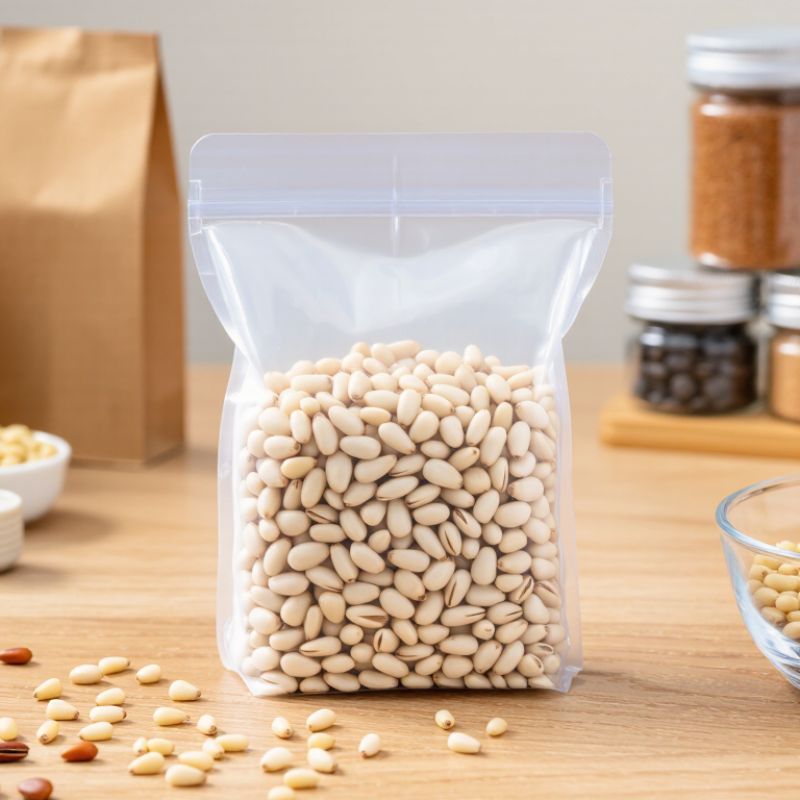
Pine Nut Kernels look simple in a clear pouch: pale ivory seeds, a faint resinous aroma, and a clean, buttery finish. Yet global buyers know that appearance is only the beginning. Origin, harvest conditions, drying, storage, and lot consistency can all shape quality. Small details matter. A warm container or a weak seal may dull the flavor before the kernels reach a bakery or retail shelf.

The International Nut and Dried Fruit Council’s Statistical Yearbook and FAOSTAT provide useful context for nut production and trade. However, buyers should check how each source classifies pine nuts; reporting categories do not always match commercial kernel grades. That distinction matters when comparing supplier capacity or interpreting market figures. One useful caution comes from pomologist and food researcher Dr. David Karp: “A product’s quality begins long before it reaches the buyer.” This is a paraphrase of a broader produce-quality principle, not a verified verbatim quotation about pine nuts.

This guide to the 10 Best Pine Nut Kernels Suppliers for Global Buyers focuses on practical checks: documented origin, clear specifications, representative samples, and responsive communication. Ask about moisture control and packaging, too. Request traceable lot details. A polished website is not proof of consistent supply, and a low quote may leave important questions unanswered. Even careful buyers can miss something. The aim here is not to promise a perfect supplier, but to help buyers compare evidence, spot gaps, and make more informed sourcing decisions.

10 Best Pine Nut Kernels Suppliers for Global Buyers

Pine Nut Kernel Basics: Species, Grades, Origins, and HS Code 0802.90

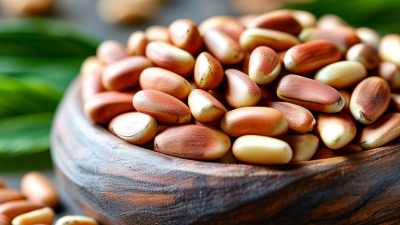
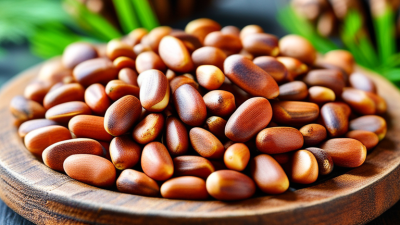
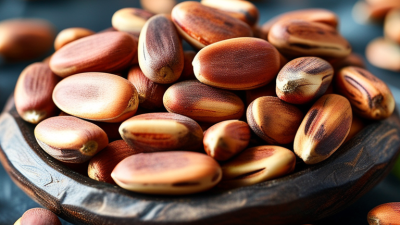
Pine nut kernels come from several pine species, not one interchangeable crop. Pinus sibirica and P. koraiensis are common in northern Asian supply chains; P. pinea is associated with Mediterranean production. Species affect kernel size, shape, and flavor. Buyers should request the botanical name and harvest origin, because “pine nut” alone tells you too little.

Grades commonly separate whole kernels from broken pieces, then assess size, color, cleanliness, and moisture. A bright, ivory kernel may look reassuring, but appearance cannot confirm freshness or safe handling. Ask for a current specification and lot-specific test results. The International Nut and Dried Fruit Council’s Statistical Yearbook tracks pine nut production and trade, while FAOSTAT offers broader crop data; coverage and reporting periods can differ. The numbers are not always directly comparable.

A key customs detail: HS 0802.90 means “other nuts, fresh or dried,” not pine nuts alone. UN Comtrade records under this code can therefore include other products, depending on national tariff lines. Treat trade totals as a rough signal, not a clean pine-kernel market count. Small detail. Confirm the importing country’s full code, declared product description, and origin documents before comparing supplier quotations.

Global Supplier Shortlist: China, Korea, Russia, Pakistan, and Mediterranean Sources

A useful pine nut shortlist spans China, Korea, Russia, Pakistan, and Mediterranean origins, but origin labels need careful checking. China is a major processing and export hub; kernels may come from different growing regions. Korean pine nuts are valued for their distinctive aroma, while Russian supply can vary with harvest conditions and transport distance. Pakistan offers another sourcing route, though buyers should confirm species, grading, and lot consistency. Mediterranean suppliers, including those in Spain and Turkey, may suit buyers seeking regional traceability. Small details matter.

Trade data can help, but it has limits. UN Comtrade records pine nuts under HS code 0802.92, allowing buyers to compare reported export values and volumes by country. However, customs figures do not always distinguish origin from re-export, and reporting periods can differ. The International Nut and Dried Fruit Council’s statistical yearbooks provide broader industry context, but buyers should verify country-level figures against current customs data. Ask for harvest year, botanical species, moisture level, kernel size, and recent laboratory results. Request a retained sample from the actual lot, not a catalogue sample. That is not always convenient.

For a first order, compare quotations on the same basis: shelled or in-shell, packed weight, delivery terms, and inspection method. Check whether the supplier can document the growing origin and explain any processing elsewhere. A low price may reflect mixed sizes or an older crop; it may not. I would also test a small batch in the intended recipe, because aroma can fade during storage and transit.

Quality Benchmarks: Moisture ≤6%, Aflatoxin B1 ≤5 µg/kg, and Traceability

10 Best Pine Nut Kernels Suppliers for Global Buyers

For global buyers, supplier comparisons should begin with measurable quality checks, not polished product photos. Pine nut kernels should have moisture at or below 6% to help limit clumping and support stable storage. Aflatoxin B1 should not exceed 5 µg/kg, verified through a reliable laboratory report for the relevant lot. Ask for the sampling date and lot number; a certificate without matching details tells only part of the story. Fresh kernels should look clean and smell mild, with no damp or stale notes. Even careful checks cannot make every shipment identical.

Tips: Request traceability records linking the harvest or processing batch to the packed goods. Check that lot codes on cartons match the documents. Ask how samples are collected, stored, and tested, and whether results cover the shipment you are buying. Keep a sealed reference sample when practical. Small details matter.

A dependable supplier should explain its moisture-control, cleaning, and storage practices in plain terms. Review packaging integrity, transport conditions, and the process for handling results that fall outside your specifications. Compare several recent lots rather than relying on one attractive sample. Real supply chains have variation; that is worth acknowledging. Clear records and prompt, specific answers help buyers judge whether a supplier can manage that variation consistently.

Supplier Evaluation: Capacity, Certifications, MOQ, Lead Times, and Export Records

A reliable pine nut kernels supplier should show more than a polished catalogue. Ask for monthly capacity, harvest-period availability, and recent shipment volumes, then compare them with your forecast. Request current food-safety certificates and verify their scope, site, and expiry date. A certificate alone does not prove consistent lot quality. Ask for recent test results covering moisture, defects, and microbiological criteria, plus a sample packed like the commercial order. Small details matter: a damp inner liner or weak carton can damage kernels during a long sea journey.

Check minimum order quantity, production lead time, and shipping lead time separately. Confirm whether the quoted schedule includes cleaning, packing, inspection, and document preparation. The World Bank’s 2023 Logistics Performance Index scores countries on a 1–5 scale across areas including timeliness and tracking; use it as route context, not as proof that one supplier will deliver on time. Export records should be supported by redacted bills of lading, destination history, and references for comparable shipments. I would still allow a buffer: crop timing and port congestion can make neat estimates look overly confident.

Tips: Put capacity, MOQ, lead-time milestones, and shipment evidence into one comparison sheet. Ask suppliers to explain one delayed order and how they corrected it. A slightly imperfect answer may reveal more than a perfect brochure.

10 Best Pine Nut Kernels Suppliers for Global Buyers — Supplier Evaluation: Capacity, Certifications, MOQ, Lead Times, and Export Records

Buyer sourcing comparison: The entries below are origin-based sourcing lanes, not named or ranked companies. Capacity, certifications, minimum order quantities, lead times, and export histories vary by supplier and cannot be reliably inferred from origin alone. Confirm each item with current documents and a written quotation before placing an order.

No. Sourcing Origin Common Pine Nut Type Capacity Evaluation Certification Checks MOQ Lead-Time Checks Export-Record Checks
1 Northeast China Korean pine (Pinus koraiensis) Supplier-specific; request documented annual processing capacity and current-season available volume. Verify current food-safety certificates, issuing body, expiry date, and facility scope. Organic status requires valid market-specific documentation. Not standardized; obtain the MOQ separately for each grade and packing format. Confirm processing schedule, dispatch point, transit route, and quoted delivery term. Request redacted recent shipping documents and references for the destination market; check consistency of exporter and product details.
2 Russia Siberian pine (Pinus sibirica) Supplier-specific; check available stock against the harvest season, grade, and committed orders. Check certificate validity and scope for the actual processing site and product. Confirm destination-market acceptance. Supplier- and order-specific; request written terms for trial and repeat orders. Verify production readiness, route availability, applicable import requirements, and current transit estimate. Review redacted bills of lading or equivalent shipment evidence and independently assess current trade and import restrictions.
3 Mongolia Siberian pine (Pinus sibirica) Ask for season-specific volumes, processing capacity, and evidence that the offered quantity is available for export. Request valid food-safety and any claimed organic certificates; confirm scope, site, and destination-market recognition. Varies by supplier, grade, and packaging; no universal origin-wide MOQ. Confirm sourcing and processing dates, export clearance arrangements, and transport route to destination. Ask for recent export documents and check that product origin, exporter, and shipment dates align.
4 Northern Pakistan Chilgoza pine (Pinus gerardiana) Confirm seasonal availability, kernel yield assumptions, and the quantity that can be supplied to the required specification. Verify food-safety controls and any claimed certification directly with the issuer; check applicability to the exporting facility. Obtain a written MOQ by grade and packing format; confirm whether mixed lots are allowed. Allow for seasonal sourcing and confirm processing, documentation, and transit schedules with the exporter. Request verifiable shipment evidence and destination-market references; validate phytosanitary and origin documents where required.
5 Afghanistan Chilgoza pine (Pinus gerardiana) Request proof of available, traceable volume and assess the supplier’s ability to meet repeat-order requirements. Check current certificate status, issuing authority, facility coverage, and acceptance in the buyer’s market. Supplier-specific; confirm minimum order, sample policy, and any seasonal purchasing conditions. Confirm the export route, border and clearance arrangements, required documents, and current estimated transit time. Request recent, redacted export and transport records; independently verify applicable sanctions, import rules, and payment constraints.
6 Turkey Stone pine (Pinus pinea) Ask for capacity by kernel size, grade, and crop year, plus evidence of stock or contracted supply. Check applicable food-safety certification and facility scope. Verify organic, Halal, or Kosher claims separately if required. Varies by supplier and specification; request a quotation for both trial and commercial quantities. Confirm the production slot, export-document preparation, shipment term, and destination-specific transit estimate. Review recent shipment evidence, certificate of origin, and references for comparable products and destinations.
7 Spain Stone pine (Pinus pinea) Verify available volume by crop year and grade; distinguish processor-held stock from brokered supply. Validate current certificates and their scope. For EU shipments, confirm compliance with applicable food-safety and traceability requirements. Quote-specific; confirm MOQ for bulk, retail-ready, and private-label packaging separately. Agree production and dispatch dates, delivery terms, and the destination’s applicable import checks. Request recent commercial shipment references and supporting origin and traceability documents.
8 Portugal Stone pine (Pinus pinea) Ask for season-specific supply evidence and processing capacity for the requested size and quality specification. Confirm current food-safety certificates, covered products and sites, and any market-specific organic documentation. No universal MOQ; obtain written quantities and packing conditions from each supplier. Check harvest availability, processing lead time, shipment schedule, and agreed delivery term. Verify recent export references and ensure traceability and origin documents match the offered lot.
9 Italy Stone pine (Pinus pinea) Request current lot availability and confirm whether the supplier processes, packs, or only trades the product. Verify certificate validity and scope for the actual production or packing site; check any organic claim against the relevant market rules. Supplier-specific; confirm MOQ for the exact grade, origin claim, and packaging format. Confirm lot readiness, packing schedule, export documentation, and delivery estimate to the buyer’s location. Request traceability records and recent shipment evidence; verify product origin claims independently.
10 South Korea Korean pine (Pinus koraiensis) Confirm the supplier’s own processing capacity, exportable stock, and ability to maintain the same specification across orders. Check certificates directly with the issuer and confirm that products, facilities, and destination markets are covered. Ask for written minimums for samples, bulk kernels, and customized packaging. Verify production and dispatch dates, export clearance, shipping route, and destination-specific transit estimate. Request recent redacted shipping records, product traceability, and buyer references for the intended market.

Buyer Comparison Matrix: Pricing, Packaging, Incoterms, Testing, and Risk Scores

A useful comparison matrix for ten pine nut kernel suppliers should make unlike offers comparable. Record price per kilogram, currency, minimum order, and whether freight or insurance is included. Check the quoted grade and crop year; a lower price may reflect smaller kernels or older stock. Keep exchange rates and quote dates visible. Small details matter.

Packaging affects both product condition and landed cost. Compare food-grade inner liners, carton weights, pallet options, and available bulk formats. Note the Incoterm and named destination, rather than comparing “FOB” or “CIF” alone. Ask who arranges export documents and how temperature or moisture exposure is managed in transit. A tidy offer sheet may still leave gaps.

For testing, request recent lot-specific results for moisture, foreign matter, microbiological criteria, and allergen controls, then confirm the methods and laboratory details. Score risks with a consistent scale: traceability, test completeness, packaging suitability, delivery reliability, and payment exposure. State what each score means, and keep evidence beside it. Scores are useful, not proof. I would revisit them after a trial order; one small shipment can reveal packing issues that certificates do not show. Don’t hide uncertainty.