Leave Your Message

Top 10 Types of Raw Sunflower Seeds for Global Buyers

Raw Sunflower Seeds look simple, yet their commercial value depends on details buyers can easily overlook. Kernel size, hull color, moisture, cleanliness, and oil content all affect their final use. A large striped seed may suit snack markets, while a smaller black seed can perform better in oil pressing or bird-feed applications. The right choice depends on the product, destination, and processing equipment.

This guide examines the Top 10 Types of Raw Sunflower Seeds for Global Buyers. It considers common market categories, including confectionery seeds, oilseed varieties, hulled kernels, and region-specific selections. Each type has practical strengths and limitations. Some offer attractive appearance. Others provide stronger oil yields or more consistent processing performance. Taste, texture, and supply stability may also change between harvests.

Quality decisions should begin with documented specifications, representative samples, and independent laboratory checks. Buyers should review moisture levels, foreign material, pesticide compliance, microbiological safety, and applicable import requirements. Traceability matters when several suppliers offer similar prices. A reliable seller should explain origin, crop year, packaging, storage conditions, and testing methods clearly. Photos alone are not enough.

There is no universally best seed. That conclusion sounds obvious, but purchasing mistakes still happen. A visually clean sample may perform poorly after roasting. A low-cost shipment may create higher sorting losses. Even experienced buyers can misjudge a new origin or season. Use this overview as a practical comparison, then confirm every decision through samples, specifications, and verified supplier communication.
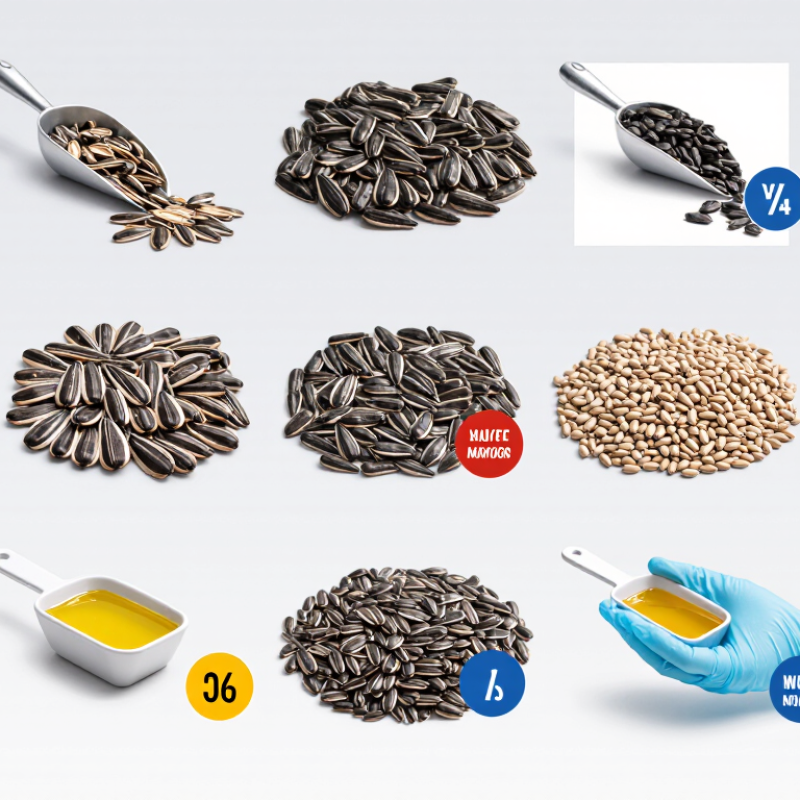
Top 10 Types of Raw Sunflower Seeds for Global Buyers

Raw Sunflower Seed Categories and Their Defining Characteristics

Top 10 Types of Raw Sunflower Seeds for Global Buyers

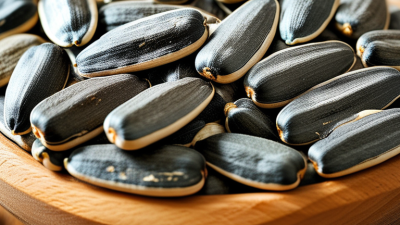
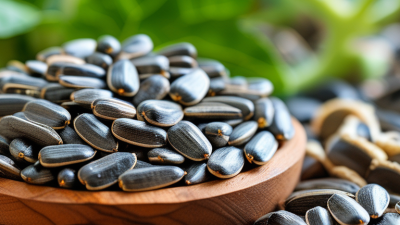
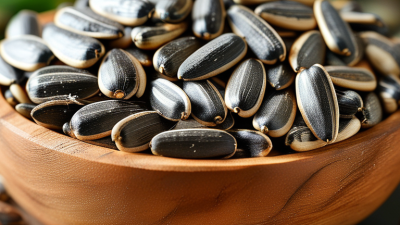
Raw sunflower seeds differ by shell, size, color, oil profile, and intended use. Striped in-shell seeds are commonly selected for direct snacking. They usually have broad shells, visible patterns, and a firm bite. Black oilseed varieties often have thinner hulls and higher oil content. They are mainly purchased for pressing, feed applications, or blended ingredients. Confectionary kernels are hulled and pale gray to cream. They suit bakery fillings, cereal mixes, and snack production.

Size creates another practical category. Jumbo seeds offer stronger visual appeal and better portion value. Medium grades are more flexible for industrial packing. Smaller seeds may perform well in pressing or processed foods. Raw kernels can also be sorted by broken percentage, uniformity, and surface color. High-oleic seeds are defined by fatty-acid composition rather than appearance. Buyers should request laboratory data, not rely on names alone. A large seed is not automatically better.

In procurement inspections, I check moisture, foreign matter, insect damage, rancid odor, and kernel breakage. Raw does not always mean ready to eat. It means the product has not been roasted, but safety controls still matter. Origin, harvest season, storage temperature, and packaging can change performance. Vacuum or moisture-resistant packaging may protect delicate kernels during long shipments. Certificate details should match the actual lot. Small inconsistencies deserve attention. A size label can mislead. No category is perfect.
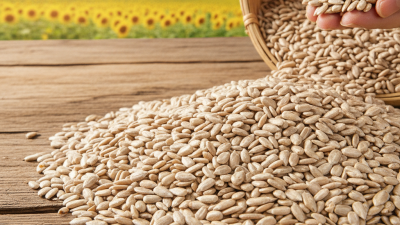
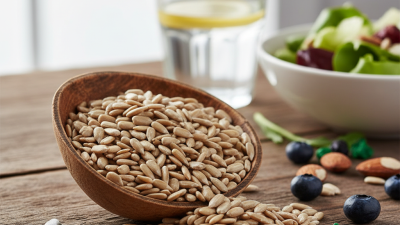
Top 10 Raw Sunflower Seed Types for International Buyers

International buyers often compare raw sunflower seeds by shell color, size, oil content, and intended use.

Ten common types include:

large striped seeds medium striped seeds small striped seeds black oil seeds confectionery black seeds gray striped seeds white-shell seeds raw hulled kernels broken kernels organically grown raw seeds

Large striped seeds suit snack markets because their shells look clean and attractive. Black oil seeds usually contain more oil and serve pressing operations. Confectionery black seeds are smaller and often used in bakery products or snack mixes.

Raw hulled kernels require careful sorting.

Buyers should check kernel size, broken pieces, foreign material, moisture, and visible insect damage.

A clear specification should state crop year, packaging, origin, loading terms, and testing requirements.

Moisture levels must remain suitable for storage, but the exact limit depends on shipment conditions and buyer standards.

Too much moisture can encourage mold. Too little may create fragile kernels and higher breakage.

Quality is not judged by appearance alone.

Accredited laboratory tests can support checks for aflatoxins, pesticide residues, heavy metals, and microbiological safety.

Samples should represent the full lot, not only the cleanest bag. That mistake happens.

Storage records also matter, especially during humid sea transport.

Some buyers prefer uniform color, while others prioritize oil yield or kernel recovery. No single type fits every market. A supplier’s technical sheet may still miss seasonal variation, so buyers should compare samples from more than one lot before signing a contract.

Seed Size, Shell Structure, Color, and Kernel Composition

Top 10 Types of Raw Sunflower Seeds for Global Buyers

Raw sunflower seeds differ sharply in seed size, shell structure, color, and kernel composition. Large striped seeds usually suit snack markets because they offer a visible, substantial bite. Medium striped seeds provide balanced shell-to-kernel ratios and often fit mixed retail packs. Small black seeds have darker hulls and are commonly selected for oil processing. White-hulled seeds look clean and bright, but their appearance does not always indicate better flavor.

Thin-shell types crack easily during manual eating. Thick-shell types protect kernels better during transport, although they may require more pressure to open. Some confectionery seeds carry broad kernels with moderate oil content and a firm texture. High-kernel types are valuable when buyers prioritize edible yield over shell weight. Oil-rich seeds contain dense, pale kernels and may feel slightly softer when pressed. Mixed-color lots can lower cost, but uneven appearance may create sorting work. Ten types sound simple. They are not.

A professional purchase check should measure thousand-seed weight, shell percentage, kernel moisture, and visible damage. Kernel color matters too. Creamy kernels often suggest freshness, while gray areas may signal oxidation or poor storage. Yet visual inspection has limits. I have seen attractive lots perform poorly after roasting. Laboratory testing remains safer for moisture, oil content, and contamination screening. Buyers should also compare samples after shipping simulation, because thin shells can crack unexpectedly. Specifications need tolerance ranges, not vague words like “large” or “premium.” That detail is easy to miss.

Top 10 Types of Raw Sunflower Seeds for Global Buyers

Comparison by seed size, shell structure, color, and kernel composition. Values are representative commercial ranges and may vary by cultivar, origin, crop year, and grading standard.

In-shell confectionery types generally have larger striped or black shells and a higher edible-kernel share. Oilseed types are usually smaller, darker, and selected for higher kernel oil content. Kernel composition is shown as approximate oil content on a dry-matter basis.

Quality Standards, Testing Methods, and Export Requirements

Top 10 Types of Raw Sunflower Seeds for Global Buyers

Global buyers commonly source black oilseed, striped, white, confectionery, hulled, premium large, medium, small, organic-certified, and bird-feed sunflower seeds. Each type needs a different quality review. Kernel size, shell color, breakage, odor, and oil content affect processing results. A clean, fresh nutty smell is essential. Any musty odor deserves rejection.

Testing should begin with representative sampling from several bags, not only the top layer. Check moisture with a calibrated meter, then measure foreign matter, damaged seeds, insect activity, and bulk density. Laboratory testing should cover pesticide residues, mycotoxins, heavy metals, and microbiological safety when required. A certificate of analysis must match the shipment lot. In practice, no lot is perfect. However, unclear records create avoidable risk.

Tips: Ask for pre-shipment photos, sealed sample bags, harvest details, and full traceability. Confirm packaging strength for long sea voyages. Export documents may include a commercial invoice, packing list, certificate of origin, phytosanitary certificate, and laboratory report. Requirements differ by destination, so buyers should verify current import rules before loading. Do not rely on appearance alone. A bright shell can still hide poor storage conditions.

Top 10 Types of Raw Sunflower Seeds for Global Buyers - Quality Standards, Testing Methods, and Export Requirements

No. Raw Sunflower Seed Type Typical Market Use Typical Physical Characteristics Key Quality Indicators Recommended Testing Methods Common Export Requirements
1 Black Oilseed Sunflower Vegetable oil pressing and protein-rich meal production Small to medium seeds with predominantly black hulls; high oil-bearing potential Moisture, oil content, foreign material, damaged kernels, insect infestation, odor, and mycotoxins where applicable Moisture by validated oven or infrared method; oil by solvent extraction or approved NIR calibration; visual grading; aflatoxin and other contaminant screening according to destination rules Commercial invoice, packing list, transport document, certificate of origin when requested, phytosanitary certificate where required, and compliance with destination maximum residue limits
2 Large-Seed Confectionery Sunflower Roasting, snacking, bakery toppings, and food-service applications Large, plump kernels with attractive hull appearance and a high edible-kernel ratio Size count, fill rate, kernel-to-hull ratio, uniformity, cleanliness, low breakage, taste, and absence of rancid or musty odor Screen or count sizing; visual inspection; kernel yield test; moisture and water activity; peroxide value and sensory evaluation for stored or processed lots Food-grade packaging and labeling, lot identification, traceability records, pesticide-residue compliance, and phytosanitary documentation when required by the importing country
3 Striped-Hull Sunflower Seeds In-shell snack products, roasting, and traditional retail snack channels Distinctive gray or black-and-white striped hull; usually selected for visible appearance and eating quality Hull color uniformity, size, plumpness, empty shells, cracked shells, foreign matter, moisture, flavor, and insect damage Visual sorting; sieve or count grading; moisture analysis; shell integrity check; sensory evaluation; microbiological testing for products intended for direct consumption Food-safety documentation, allergen and labeling compliance where applicable, sanitary packaging, lot traceability, and import inspection or phytosanitary certification according to destination requirements
4 White-Hull Sunflower Seeds Roasted snacks, confectionery decoration, and specialty food products Light or white hull with a clean visual appearance; generally marketed as an in-shell specialty seed Color consistency, kernel fullness, low shell damage, cleanliness, moisture, low microbial load, and fresh flavor Color and defect grading; moisture and water-activity measurement; plate-count or other validated microbiological methods; sensory and rancidity checks Food-contact packaging suitability, product specification, certificate of analysis, traceability, and compliance with destination food-safety and pesticide-residue limits
5 Hulled Sunflower Kernels Bakery, cereal, snack mixes, spreads, plant-based foods, and ingredient manufacturing Edible kernels supplied without the outer hull; may be whole, split, or broken according to specification Kernel size, color, purity, broken-kernel percentage, moisture, free fatty acids, peroxide value, and absence of shell fragments Sieve analysis; shell-fragment inspection; moisture; acid value or free fatty acids; peroxide value; microbiological and contaminant testing using validated laboratory methods Ingredient specification, certificate of analysis, food-grade packaging, allergen and labeling information, traceability, and compliance with importing-country contaminant limits
6 High-Oleic Sunflower Seeds Premium oil production requiring improved oxidative stability Oilseed or confectionery forms; defined primarily by fatty-acid composition rather than hull color Oleic-acid percentage, total oil content, moisture, impurities, free fatty acids, peroxide value, and storage stability Fatty-acid profile by gas chromatography; oil content by validated extraction or NIR; moisture; free fatty acids; peroxide and stability testing Accurate product declaration, batch traceability, certificate of analysis, contaminant and pesticide compliance, and phytosanitary documents where required
7 Organic Sunflower Seeds Certified organic snacks, ingredients, bakery products, and oil processing May be oilseed, confectionery, or hulled; production method and certification status are the defining features Organic integrity, identity preservation, moisture, purity, pesticide residues, contaminants, and segregation from conventional material Certificate verification; chain-of-custody review; pesticide multi-residue analysis; GMO testing where contract or law requires; standard physical and microbiological tests Valid organic certificate recognized in the destination market, transaction certificates when applicable, segregated logistics, traceability, labeling approval, and phytosanitary documents if required
8 Non-GMO Sunflower Seeds Clean-label food ingredients, retail snacks, bakery, and specialty oil production Can be supplied in oilseed, in-shell, or hulled form; non-GMO status is a sourcing and verification attribute Non-GMO identity preservation, varietal and lot traceability, purity, moisture, contaminants, and absence of unintended commingling Document review and identity-preserved supply-chain audit; PCR-based GMO screening when contractually required; routine quality and safety analysis Non-GMO declaration or recognized verification where requested, segregation records, traceability, certificate of analysis, and destination-specific labeling compliance
9 Bird-Feed Grade Sunflower Seeds Wild-bird feed, agricultural feed mixtures, and ornamental bird diets Usually black oilseed or mixed grades; appearance and nutritional value are prioritized over snack-grade sizing Moisture, foreign material, mold, insect damage, bulk density, oil content, cleanliness, and absence of harmful contamination Moisture and bulk-density measurement; visual sorting; oil analysis; mycotoxin and pesticide testing where required by feed regulations; microbiological testing when specified Feed-grade specification, feed safety declaration, traceability, certificate of analysis, labeling under destination feed rules, and phytosanitary or veterinary documentation where applicable
10 Roasting-Grade Raw Sunflower Seeds Industrial roasting, salted snack production, and private-label food manufacturing Selected in-shell or hulled raw material with uniform moisture and size for predictable roasting performance Uniform size, moisture, kernel fullness, low breakage, low foreign matter, clean flavor, and stable roasting yield Size grading; moisture and water activity; roasting trial; defect and shell-damage inspection; peroxide value and microbiological testing for food use Food-grade contract specification, certificate of analysis, batch traceability, compliant labeling and packaging, residue and contaminant compliance, and phytosanitary certificate where required

Note: Export documents, maximum residue limits, contaminant thresholds, labeling rules, organic recognition, and phytosanitary requirements vary by origin, product form, HS classification, and destination market. Buyers should confirm the current requirements with the relevant customs, food-safety, feed, and plant-health authorities before shipment.

How Global Buyers Select the Right Sunflower Seed Type

Global buyers rarely choose sunflower seeds by appearance alone. They match the seed type with its final use, climate, and processing line.

The ten common categories include confectionery, oilseed, black, striped, gray-striped, white, hulled, in-shell, hybrid, and open-pollinated seeds.

These labels can overlap. That is important.

Confectionery seeds usually need large kernels, clean shells, and uniform color. Oilseed buyers focus on oil content, moisture, foreign material, and reliable crushing performance.

USDA Foreign Agricultural Service data placed global sunflower seed production near 55 million metric tons in 2024/25. Large supply does not guarantee equal quality.

A buyer in Turkey may prioritize high-oil seeds, while a snack processor may reject them for small kernels.

OECD-FAO Agricultural Outlook 2024-2033 also highlights changing oilseed demand and trade sensitivity. Freight costs matter too.

Tips:

Request a recent laboratory report, not only supplier photos. Check moisture, purity, damaged seeds, test weight, oil content, and pesticide compliance. Confirm whether results use a wet or dry basis. Ask for a pre-shipment sample and inspect broken kernels under bright light.

Storage conditions deserve attention; warm containers can change odor and seed color.

In procurement practice, the lowest price often becomes the costliest choice after cleaning losses.

Still, specifications are not perfect. A buyer should compare two or three lots before committing.